
Most women associate vaginal itching directly with an infection. In reality, this is often a wrong assumption. The problem is not always the sensation itself, but the fact that it is ignored, overlooked, or misinterpreted.
Vaginal itching can occur even in the absence of an infection and does not automatically indicate a serious problem. Yes, infections can be one cause, but there are many other factors that can trigger it. Read on to learn how to differentiate a temporary discomfort from more serious medical symptoms and what else you need to know about vaginal itching.
What do prickling in the vaginal area mean and what does it indicate for intimate health?
Have you ever felt a needle prick? Or a prick with something sharp? Vaginal pricks create a similar sensation. They are located in the vagina, can be short and sharp or intermittent with pulsating sensations, but they are different from other forms of constant discomfort such as burning, stinging or itching in the intimate area .
These sensations can occur in isolation or repeatedly and do not always indicate a serious condition. But it is important to correctly identify the type of discomfort because it can betray an imbalance in the intimate area and signal when it is time to consult a doctor.
Stinging in the intimate area can occur in various contexts, for example before or after menstruation, during sexual intercourse, even during pregnancy. You may feel stinging after using certain intimate hygiene products or during stressful periods. Often, they reflect changes in the vaginal flora, irritation or hormonal fluctuations and may be accompanied by other symptoms.
How do stinging in the vagina area manifest and other associated symptoms?
You may experience vaginal itching as a strong stabbing, throbbing, constant pressure, burning sensation in your intimate area, or even pain or stinging. The intensity can range from a slight discomfort to severe pain that affects your sex life or daily activities. Other symptoms may also occur, such as abnormal vaginal discharge, itching of the vulva, burning when urinating, abdominal pain, fever, or chills.
There is a common link between the occurrence of tingling in the intimate area and certain times of the menstrual cycle, especially during ovulation, when hormone levels fluctuate and the ovary releases an egg. Sexual intercourse can also exacerbate these sensations, especially if you suffer from vaginal dryness or other pre-existing conditions.

The difference between burning, itching, and stinging in the vaginal area
The mere presence of stinging is not an automatic confirmation of a vaginal infection , as this is just one of the possible causes. However, the type of discomfort you experience can give you important clues as to the nature of the true cause, whether it is infection, irritation, or hormonal imbalance.
For example, burning is often associated with urinary tract infections and may be accompanied by a burning sensation when urinating and constant pressure in the pelvic area. Itching and stinging can be signs of candidiasis or other vaginal infections and are often accompanied by discomfort during intercourse.
Intermittent stinging, on the other hand, located in the vagina, is more likely associated with local irritation, increased sensitivity of nerve endings, or conditions such as vulvodynia. If you are experiencing hormonal imbalances, vaginal dryness, or using irritating products in the intimate area, these can contribute to the onset or worsening of discomfort.
Common causes of stinging in the vaginal area
The causes of the appearance of stings in the intimate area can be both infectious and non-infectious in nature, involving numerous hormonal, emotional and physical factors.
The reason why it is so important to correctly identify the context in which you feel these stings is to understand whether it is a temporary discomfort or a serious cause that requires medical investigation.
Stinging in the vagina area caused by vaginal infections
Vaginal infections, whether fungal, bacterial, or sexually transmitted, are among the most common causes of stinging sensations and intimate discomfort. They are often characterized by changes in vaginal secretions, itching, unpleasant odor, and discomfort during intimate contact.
Conditions such as candidiasis , trichomoniasis, and bacterial vaginosis can be responsible for the inflammation and increased sensitivity of the vaginal mucosa. In such cases, your doctor may usually prescribe antifungal or antibiotic treatment, along with an intimate care routine without irritating products or excessive douching.
Stinging in the vaginal area caused by urinary tract infections and cystitis
Urinary tract infections like cystitis can cause a stinging sensation in your vaginal area, even if the source of the discomfort is in your urinary tract. They are often associated with a burning sensation when urinating, a frequent need to urinate, and a feeling of pelvic pressure.
How do you tell a urinary tract infection from a vaginal one? The location of the discomfort and the presence or absence of symptoms specific to vaginal infections, such as itching or unusual vaginal discharge, can provide useful clues. However, confirmation is only obtained after specific medical investigations, such as a urinalysis or gynecological examination.
Stinging in the vaginal area due to chemical irritations and cosmetics
Intimate hygiene products that contain perfume and other harsh chemicals, the use of harsh detergents, wet wipes, or menstrual products that contain various synthetic ingredients can irritate the vaginal mucosa and vulvar area. This irritation can in turn trigger stinging, dryness, or burning sensations even in the absence of an infection.
In such cases, it is often enough to give up irritating products and start a natural, hypoallergenic, and gentle intimate care routine for your skin for the symptoms to improve and, ultimately, disappear.
Stinging in the vaginal area caused by hormonal imbalances and vaginal dryness
The health of the vaginal mucosa and the level of natural lubrication are strongly influenced by the hormonal levels in the body. Thus, hormonal imbalances and fluctuations are among the possible causes of the stinging sensation.
For example, prickling in the groin area and constant pressure frequently occur during pregnancy as hormone levels change and the uterus grows.
Similarly, vaginal dryness and increased sensitivity specific to periods such as breastfeeding, menopause , or discontinuation of hormonal contraceptives are often associated with stinging and discomfort in the intimate area, which can be improved by local hydration and treatments recommended by a doctor.
Stinging in the vaginal area caused by vulvodynia and neuropathic causes
Vulvodynia is a condition characterized by chronic pain and burning and stinging sensations in the vulva, without an obvious infectious cause. The discomfort may be constant or may be triggered by touch, sexual contact, or prolonged sitting.
This condition usually involves hypersensitivity of the nerve endings, and the treatment is complex and personalized.
Stinging in the vaginal area caused by stress and psychological factors
Chronic stress and anxiety can amplify how the body perceives pain, increasing muscle tension.
Research associates intense periods of emotional stress in women's lives with nervous hypersensitivity in the intimate area, which manifests itself through involuntary muscle contractions and sensations of tingling or discomfort.
In the absence of other obvious causes, stress management through relaxation techniques, therapy, and meditation can significantly contribute to the improvement of symptoms.
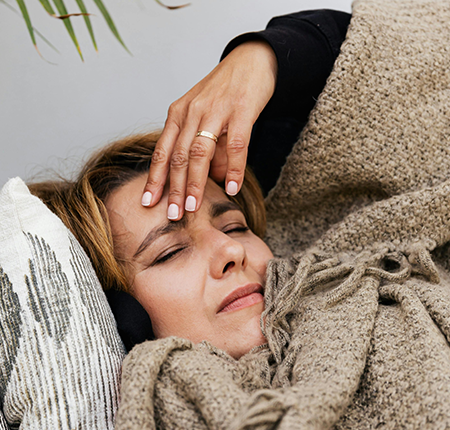
Symptoms associated with stinging in the vaginal area
Not infrequently, vaginal itching does not appear as isolated symptoms, but together with other manifestations that can provide clues as to the cause of the discomfort and the severity of the situation.
Stinging in the vaginal area accompanied by changes in vaginal secretions
It is normal for vaginal discharge to change throughout the month, but the changes are slight in terms of color and consistency. Healthy discharge is usually white or clear, has no unpleasant odor, and its consistency can be more watery, viscous like egg whites during ovulation, or thicker towards the end of the cycle.
On the other hand, thick, foul-smelling, greenish or gray discharge is considered pathological and requires medical consultation because it may indicate the presence of an infection or an imbalance in the vaginal flora.
Stinging in the vaginal area and pain during urination or sexual intercourse
Painful urination or dyspareunia (pain during sexual intercourse) may be associated with inflammation of the vaginal mucosa.
When you suffer from a vaginal or sexually transmitted infection, or other conditions such as cervicitis, genital tissues can become inflamed and increase local sensitivity, causing pain during penetration and sexual intercourse.
Stinging in the vaginal area accompanied by redness, inflammation, and a burning sensation
Local redness, inflammation, and burning are common symptoms in patients with candidiasis, bacterial vaginosis, or contact dermatitis. Their presence along with vaginal itching suggests the presence of irritation or active infection.
Correct diagnosis for stinging in the vagina area
Because vaginal itching is not a condition in itself, but a symptom of another problem, correct diagnosis is the first step in choosing the right treatment and relieving symptoms.
Given the variety of possible causes, from mild infections to gynecological conditions and psychological factors, the diagnosis is established by the specialist doctor with the help of specific tests.
Vaginal secretion tests to diagnose vaginal itching
Vaginal discharge analysis is one of the most common investigations recommended when you see a doctor with stinging, burning, or changes in vaginal discharge.
During the gynecological exam, the doctor will take a sample of secretions using a sterile swab. The procedure is quick and painless, and the collected sample is analyzed to identify possible infections such as candidiasis, bacterial vaginosis, trichomoniasis, or other imbalances in the vaginal flora.
Tests for urinary tract infections and sexually transmitted diseases associated with vaginal pricks
When the stings are accompanied by pain when urinating, persistent discomfort, discharge with an unusual odor or a greenish color, your doctor may recommend specific tests to detect urinary tract infections and sexually transmitted diseases.
Such tests may include urinalysis, laboratory tests, or rapid tests for chlamydia , trichomoniasis, and gonorrhea . The results of these investigations allow for the distinction of urinary from vaginal or sexually transmitted causes and the establishment of effective treatment.
Gynecological examination and pelvic ultrasound in case of stinging in the vaginal area
When there is a suspicion that the cause of the stinging is a gynecological condition such as ovarian cysts, endometriosis, or other pelvic problems that can radiate pain to the vaginal area, your doctor may recommend a pelvic ultrasound.
Gynecological examination and ultrasound allow the evaluation of the vaginal mucosa, cervix, and external genitalia, and the doctor can observe if there are signs of inflammation, irritation, lesions, or changes that could explain the presence of the stings.
Effective treatments for stinging in the vaginal area
Treatment for vaginal itching depends on the exact cause and may consist of a combination of medical treatments, changes in daily habits, and natural remedies to relieve symptoms.
Antifungal and antibiotic treatments for vaginal thrush
For infections such as candidiasis, bacterial vaginosis, or trichomoniasis, your doctor may prescribe antifungal or antibiotic pills, creams, and oral treatments. These can help both quickly relieve symptoms and treat the underlying cause of the itching.
Soothing creams and sitz baths for stinging in the vaginal area
Topical treatments are often used to temporarily relieve the burning and stinging sensation. Creams with soothing ingredients and sitz baths with herbs like chamomile can reduce inflammation and irritation, especially in the case of non-infectious stings.
Lubricants and topical estrogen for vaginal itching caused by dryness
When the source of discomfort is vaginal dryness, for example during the postpartum period or menopause, vaginal lubricants and local estrogen treatments can help relieve intimate discomfort.
It is recommended to choose a 100% natural lubricant , without perfume or aggressive ingredients, that mimics natural lubrication and moisturizes vaginal tissue to give you the comfort you deserve.
Natural measures and soothing remedies for stinging in the vaginal area
Natural remedies such as essential oils, vaginal probiotics, and herbal baths can support the restoration of local balance and relieve discomfort.
These, however, are only complementary to the treatment recommended by the doctor following the correct diagnosis, and it is recommended to always seek the guidance of a specialist before trying them.
Preventing vaginal itching and intimate irritation
Can you prevent vaginal itching? In most ways, yes. When your daily intimate care habits are correct, when you use the right products and protect yourself properly, you can significantly reduce the risk of vaginal itching, irritation and infection.
Proper intimate hygiene to prevent stings in the vaginal area
Clean your intimate area with lukewarm water and gentle products, free of sulfates, alcohol, or allergens that can affect your vaginal flora. Opt for a natural intimate gel with a balanced pH and avoid excessive washing to prevent irritation, imbalances in your intimate flora, and stinging.
Choosing the right products to prevent stinging in the vaginal area
From hygiene products to the pads and tampons you use month after month, all products that come into contact with your intimate area can affect your vulvovaginal health.
Always choose products made with pure ingredients, with a neutral pH, free of fragrance and parabens. These reduce the risk of allergies and irritation and support the health of your vaginal mucosa in the long term.
Avoiding vaginal douches and synthetic underwear to prevent stinging in the vaginal area
Vaginal douching can disrupt the balance of your intimate flora, and synthetic underwear maintains a moist environment that favors the accumulation of bacteria and the development of infections. Ultimately, all of this can lead to conditions that manifest as vaginal itching and other uncomfortable symptoms.
Choose to wear underwear made from breathable materials like cotton and avoid internal douches to protect your intimate flora.
Maintaining hormonal balance and vaginal flora to prevent stinging
A balanced diet, probiotics, and the right supplements can support your vaginal health and help prevent discomfort. Try to live a healthy lifestyle to minimize your risk of vaginal itching.
When to see a doctor for vaginal itching
Although not all vaginal stinging sensations are caused by infections or serious conditions, this can only be determined with certainty after a medical check-up. Schedule a gynecological consultation at the first sign that something is wrong, and go to the doctor urgently if you notice any alarming symptoms.
Signs of serious or recurring infection in case of stings in the vaginal area
If the bites are accompanied by discharge with an abnormal odor, texture, or color, persistent pain, bleeding, or fever, these may be signs of a serious infection. See a doctor immediately for a proper diagnosis and treatment.
Stinging in the vaginal area that persists or affects sex life
Chronic discomfort that affects your sex life or daily activities requires specialized evaluation. Your gynecologist may recommend additional tests or specific treatments to establish a diagnosis and improve symptoms.

Frequently asked questions about stinging in the vagina
Have you ever wondered why you feel a stinging sensation in your vagina even though you don't have an infection? Or how long does it take for the stinging sensation to go away after you start the treatment recommended by your doctor? If your list of questions is still not finished, we hope you will find your answers here. We have prepared simple explanations for the most frequently asked questions about these sensations.
Why do stinging sensations appear in the vaginal area without infection?
There are a lot of non-infectious factors that can trigger the appearance of stinging in the vaginal area. It can be allergic reactions and local irritations, hormonal imbalances and vaginal dryness, or a hypersensitivity of the vaginal nerves.
What does stinging in the vaginal area after sexual intercourse mean?
Stinging in the vaginal area during or after sex can be caused by friction, insufficient lubrication, or increased sensitivity of the vaginal tissue. If this occurs frequently, it could indicate an allergic reaction to intimate hygiene products.
How can I relieve itching in the vaginal area at home?
When the stings are caused by an infection, the symptoms will improve with the help of the treatment prescribed by the doctor. In case of vaginal dryness or other non-infectious causes, lubricants, sitz baths with herbs such as chamomile, natural oils and probiotics can help reduce discomfort.
Can stress cause tingling in the vaginal area?
Yes. Anxiety and stress can increase nerve sensitivity and accentuate tingling sensations or local discomfort.
Which ovules are recommended for pricking in the vaginal area?
Your doctor may recommend antifungal, probiotic, or antibiotic ovules to treat candidiasis, various vaginal or sexually transmitted infections, or certain imbalances in the vaginal flora.
Can tingling in the vaginal area be caused by menopause?
Yes. The drop in estrogen levels that occurs during menopause can cause vaginal dryness and trigger stinging sensations. The recommended treatment often involves the use of vaginal lubricants and topical estrogen creams.
How do I differentiate between candidiasis and bacterial vaginosis?
Candidiasis generally manifests itself through intense itching and whitish discharge, while bacterial vaginosis can cause discharge with an unpleasant odor and a gray-green color.
What cream is good for stinging in the vaginal area?
Soothing creams with aloe, chamomile, or calendula oil can reduce the burning sensation, but they should never replace medical treatment. Always seek the guidance of a specialist before trying any remedy.
Can a urinary tract infection cause stinging in the vaginal area?
Yes. Cystitis and other urinary tract infections can manifest as burning sensations and pelvic pressure that you may interpret as pricking in the vaginal area.
How long does the stinging in the vaginal area last after treatment?
The stings usually disappear within a few days after proper treatment is completed. If symptoms persist, medical re-evaluation is necessary.
Photo source: Pexels.com


and happily breaking taboos!


