
Pregnancy care does not end immediately after the birth of a child. Natural childbirth is just the beginning of a vast process of transformation and restoration of the female body.
As hormone levels readjust and your body begins to recover, your care needs change. Learn what changes are normal after vaginal birth, what to expect, and what a healthy short- and long-term recovery entails.
What to expect after natural birth - The first hours
Both mother and baby are kept under medical supervision in the first hours after birth to identify early any complications such as heavy bleeding or decreased oxygen saturation.
Within the first 15-30 minutes after the baby is born, the placenta is expelled. It detaches from the uterus and is expelled through the vagina, and the medical staff checks it to make sure there is no debris left in the uterus.
The expulsion of the placenta is also accompanied by uterine contractions, similar to menstrual cramps. These help the uterus begin the process of returning to its normal size and help reduce the risk of excessive bleeding. The mother will continue to be monitored for the next 4-8 hours after this stage and encouraged to get out of bed 8-10 hours after the birth.
Following the effort, among the first physical sensations experienced by the mother a few hours after a natural birth can be extreme fatigue, chills and dizziness, but also states of emotional sensitivity or euphoria. That is why careful monitoring and care are essential during this period.
Another thing that usually happens within the first few hours of birth is the initiation of breastfeeding . Early breastfeeding stimulates the release of oxytocin, a hormone that is beneficial for both mother and newborn. It supports uterine contractions and also supports the early formation of an emotional bond between mother and baby.
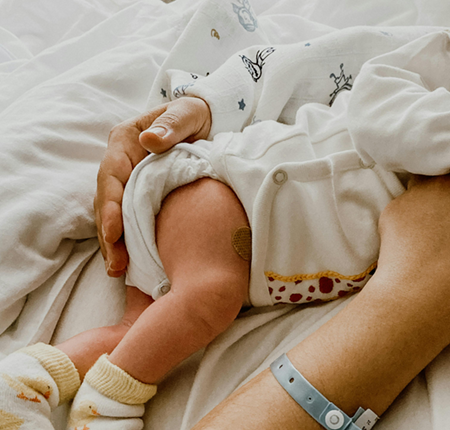
Physical changes to the body after natural/vaginal birth
After vaginal birth, the female body goes through a natural recovery process that involves several physical changes. These are normal and become visible gradually as the body adapts to the postpartum period:
- Vaginal discharge (lochia): The body removes tissue and blood from the uterus through this discharge for 4-6 weeks after birth. At first, it is similar to a heavier period, requiring absorbent pads with a high degree of absorption and gentle on the intimate area. Later, the volume of blood decreases and is replaced, in about 10 days, by small amounts of white or yellowish-white discharge.
- Healing of the perineum , especially if there were tears or an episiotomy was performed. Local discomfort, tenderness, or mild swelling may be present in the first few days.
- Postpartum abdominal pain and uterine contractions as the uterus returns to its pre-pregnancy shape. The sensations may be more intense during breastfeeding and tend to gradually subside in the days following delivery.
- Hemorrhoids and anal discomfort can occur or worsen after childbirth due to the pressure exerted during labor. They are usually temporary and can be relieved with care measures recommended by your doctor.
- Weight loss after childbirth occurs gradually, at a rate that differs from woman to woman. Some of the weight is lost immediately, with the elimination of the contents of the uterine cavity, but the rest decreases as the body balances out.
Hormonal and emotional changes after natural birth
Estrogen and progesterone levels drop rapidly after birth, and hormones involved in breastfeeding and attachment, such as oxytocin and prolactin, increase. These changes can significantly influence a mother's emotional state, energy levels, and ability to adapt to new responsibilities, and all of these changes are normal in the postpartum period.
The difference between baby blues and postpartum depression
Baby blues are an emotional reaction that commonly occurs after birth and is manifested by mild sadness, irritability, an urge to cry, or sudden mood swings. If they occur, these reactions usually occur in the first few days and improve spontaneously within 1-2 weeks, without the need for specialized treatment.
Postpartum depression , on the other hand, is a more complex condition whose symptoms persist and can affect the mother's mental and emotional health. It manifests itself through intense feelings such as deep sadness, lack of interest in daily activities, feelings of guilt, or even difficulty bonding with the baby. In the case of depression, symptoms can last longer than two weeks and professional help is needed.
Mood swings and psychological adaptation
The sudden drop in estrogen and progesterone levels after childbirth, along with fatigue , lack of sleep, and the new responsibilities that come with parenthood, can affect a mother's emotional state. In these circumstances, it is quite common and normal to experience feelings of anxiety , insecurity, or overwhelm, especially in the first few weeks.
To effectively manage this type of stress , it is important for the mother to follow her own pace of adaptation, to give herself time for rest and recovery, and to openly communicate her needs to her partner, family, and friends. Simple relaxation techniques, short breaks, and support from loved ones can contribute to emotional balance during this period.
The role of family support and rest
One of the common mistakes in the postpartum period is the mother's refusal to ask for or accept support from her loved ones. She ends up taking on all the tasks and being overwhelmed by their multitude, emotions, and lack of sleep.
Emotional support from family and partner is recommended precisely for its undeniable role in the mother's psychological recovery after childbirth. The feeling of being understood, helped and supported can reduce stress levels and facilitate adaptation to the new role.
Rest, even in the form of short breaks or fragmented sleep, is equally important. And support from those close to you creates an environment that allows the mother to take time for herself and protect her well-being in the medium and long term.

Postpartum personal care after natural birth
Personal care directly affects the pace and efficiency of the postpartum physical recovery process. The body needs time, attention, and a few hygiene and lifestyle measures to recover optimally.
What to expect after natural birth – local hygiene and signs of infection
Intimate hygiene after childbirth should be regular and gentle, to support healing and prevent infections. For local cleaning, it is recommended to use lukewarm water and gentle products, specially designed to refresh and protect the intimate area, without perfume or irritants, such as Enroush natural intimate gel .
It is equally important to avoid vaginal douching and change pads frequently to protect the intimate flora and reduce the risk of infections. These can manifest as skin irritation, persistent unpleasant odor, unusual discharge, severe pain or fever and require immediate medical attention.
What to expect after natural birth – recommendations for perineal recovery
If a perineal tear occurred during childbirth or an episiotomy was performed, the area may be painful for several weeks, especially while walking or sitting.
Discomfort and inflammation can be relieved with cold compresses or warm sitz baths. Kegel exercises, introduced gradually, with medical approval, can also help restore pelvic muscle tone.
Some natural remedies, such as soothing ointments or vegetable oils, can be useful in the healing process, but they should always be discussed with a specialist beforehand.
What to expect after natural birth – mother's nutrition during the recovery period
As in any other recovery process, nutrition plays a critical role in the postpartum period.
A balanced diet rich in protein, carbohydrates, healthy fats, fiber, vitamins, and minerals can support tissue healing, prevent constipation, and help maintain energy levels. Adequate hydration and avoiding ultra-processed foods are equally important.
What to expect after natural birth – resuming physical activity
Physical activity after birth is resumed gradually, depending on the general state of health, the individual's own pace of recovery, and the feedback received from the doctor.
In the first few weeks, light walks and gentle breathing and mobility exercises are recommended, sufficient to stimulate circulation and muscle tone.
Exercises dedicated to the pelvic and abdominal muscles are introduced gradually to avoid overexertion, and more intense sports activity is recommended only after the body has gone through the initial recovery stage and the doctor has expressed his agreement.
Intimate relationships after natural birth
Every woman has her own pace of recovery, and increasing libido and resuming sex life after childbirth looks different for every couple.
There is no generally valid rule regarding this aspect, precisely because each woman knows and decides when she feels ready to resume intimate relationships, both physically and emotionally.
The moment of resuming sexual life after childbirth
Doctors generally recommend resuming sexual activity after the body has gone through the initial healing phase, usually at least 6 weeks after giving birth. This gives the body time to repair the perineum, reduce postpartum bleeding, and lower the risk of infection.
This recommendation, however, only specifies a minimum interval of abstinence after childbirth, not a maximum limit. In other words, each woman has the right to wait as long as she feels like before resuming sexual life, and this moment is different for each person.
Physiological changes in sexual intercourse after birth
After giving birth, many women may experience vaginal dryness , discomfort, or pain during sexual intercourse. Fatigue, stress, and adjusting to motherhood can also affect libido, exacerbating symptoms of dryness.
These changes are often associated with low estrogen levels, especially during breastfeeding, and are considered normal at this stage. Such situations can be overcome with patience and gentleness, and by using a natural lubricant to prevent pain and increase comfort levels.
Contraception after natural birth
Breastfeeding is closely linked to increased prolactin levels, which in turn is associated with a lack of ovulation. However, although the likelihood of getting pregnant while breastfeeding is lower, it is not impossible. Breastfeeding, therefore, is not an effective method of contraception.
To prevent a new pregnancy after giving birth, especially while breastfeeding, non-hormonal contraceptive methods such as condoms and intrauterine devices are recommended. There are also hormonal options that are compatible with breastfeeding, but these should be determined with your doctor.
Breastfeeding and adapting to motherhood after natural birth
The first weeks after birth bring challenges to new mothers' lives, such as breastfeeding and caring for the newborn, and adapting to the new rhythm of life takes place gradually, with a lot of patience and support.
Skin-to-skin contact, breastfeeding, and constant presence help to strengthen the bond between mother and baby from the very beginning. The oxytocin released during breastfeeding supports attachment and can have a calming effect on both mother and baby.
Initially, breastfeeding can be uncomfortable and slightly awkward because proper attachment takes time to learn. Mothers who experience breast tenderness, engorgement, or small nipple cracks may seek the support of a lactation consultant or healthcare professional for guidance.
Another of the biggest challenges of the postpartum period is fragmented sleep. Frequent waking up to breastfeed can cause extreme fatigue over time, which is why rest is recommended whenever possible and family support is welcome.
Signs that require medical consultation after natural childbirth
The postpartum period is characterized by a multitude of natural changes as the body recovers from giving birth. However, there are situations that are not normal and require immediate medical evaluation as they may be signs of infection or complications.
What to expect after natural birth – heavy bleeding or fever
Lochia is normal in the first few weeks, but if the bleeding becomes very heavy (large clots, the need to change pads very frequently) or is accompanied by fever, chills, or other unusual conditions, emergency medical consultation is recommended.
What to expect after natural birth – persistent pain or infections
Intimate discomfort and mild local pain are common and normal symptoms after vaginal birth. However, intense, persistent, or worsening pain may indicate a complication and should be reported to your doctor.
Foul-smelling discharge, redness, swelling, and increased sensitivity in the perineal area can also be signs of a postpartum infection, and the doctor will recommend further investigations in such situations to establish the correct diagnosis and appropriate treatment.
What to expect after natural birth – symptoms of postpartum depression
The effects a mother experiences during the postpartum period extend far beyond the physical changes. She faces countless new experiences on a psychological level and, not infrequently, may experience states of heightened sadness, lack of interest in daily activities, difficulties in attachment to the child, severe anxiety, or persistent negative thoughts.
Such feelings can be signs of postpartum depression, and when they persist for more than a few weeks or intensify, it is important to seek professional help. Psychological or psychiatric help is just another form of care for the mother and a demonstration of responsibility for her own health.
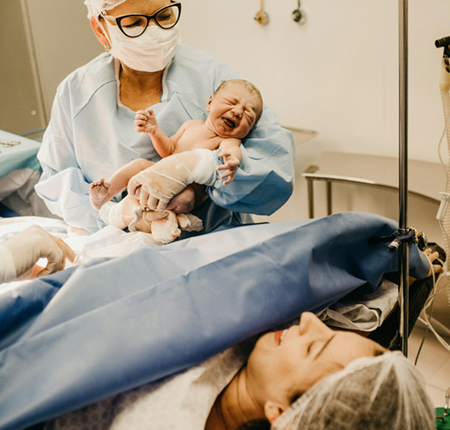
Full recovery after natural birth
The process of recovery after childbirth involves not only physical restoration, but also emotional balance. It is not a linear and universal process, but a complex and unique one for each woman.
In the first few weeks, your body uses its resources to heal tissues, restore the uterus, and restore hormonal balance. But the time it takes to fully recover varies from person to person and is also influenced by your level of rest. Accumulated fatigue, new responsibilities, and hormonal fluctuations can all have a direct impact on your emotional state and can slow down your recovery.
Pelvic toning exercises can play a beneficial role in recovery, as they support the restoration of muscles damaged by pregnancy and childbirth. They should only be resumed with the consent of a doctor, after the initial recovery period. Done correctly, Kegel exercises can support physical comfort and reduce the risk of urinary incontinence.
Resuming your pre-pregnancy habits and lifestyle is done with patience, without pushing your body to its limits. While light activities can be resumed quickly, it is important that the priorities set are realistic and the approach is understanding and balanced.
Frequently asked questions about what to expect after natural birth
There are many things about the postpartum period that aren't talked about enough, even though they're normal and happen to all women who become mothers. So we've prepared answers to the most common questions below to help you navigate this stage with more confidence.
How long does lochia last after natural birth?
Lochia generally lasts between 4 and 6 weeks. It gradually changes from red bleeding to pinkish discharge and finally to yellowish-white.
How long does it take for the belly to shrink after natural birth?
The uterus begins to shrink immediately after birth, supported by uterine contractions. However, the abdomen may take several weeks or months to return to its previous shape. Muscle tone, previous pregnancies, and physical activity level significantly influence this process.
When can I shower after natural birth?
Cleaning the intimate area is usually allowed from the first days after birth. It is recommended to wash with lukewarm water and a gentle, natural intimate gel, without perfume or other chemicals that can unbalance the intimate flora. On the other hand, baths in the bathtub are not recommended until bleeding has reduced and the perineum has healed.
How long does it take for the perineum to heal after natural birth?
On average, the perineum heals in about 2-6 weeks after birth, depending on the presence of tears or episiotomy. Discomfort decreases over time, and proper hygiene and rest support tissue repair.
How long does it take for the threads to fall out after natural birth or episiotomy?
Absorbable sutures usually fall out on their own within 2-4 weeks, without the need for further intervention. However, if signs of a complication appear, such as persistent pain, inflammation, or unusual discharge, immediate medical attention is indicated.
What are you not allowed to do during the postpartum period after natural childbirth?
During the healing period, it is recommended to avoid intense physical exertion, heavy lifting, sudden resumption of demanding activities or intimate relationships. The body needs time to recover, and overexertion can delay healing.
When can sex life be resumed after natural birth?
Under normal circumstances, sex can be resumed about 6 weeks after birth, once the bleeding has stopped and the perineum has healed. But just because you can, doesn't mean you should. Physical and emotional comfort varies from woman to woman, and the pace of resuming intimate relationships is unique to each couple and may be much slower.
What signs indicate a postpartum infection after natural birth?
Fever, foul-smelling lochia, intense pain, abdominal tenderness, or purulent discharge may indicate a postpartum infection. If you have any suspicions, it is important to see your doctor as soon as possible.
How are hemorrhoids treated after natural childbirth?
Postpartum hemorrhoids can be improved with the help of sitz baths, a diet rich in fiber, adequate hydration, and, if necessary, treatment recommended by a doctor to reduce discomfort.
When should you go for a medical check-up after natural birth?
Typically, a postpartum check-up is recommended 4-6 weeks after birth to assess the rate of healing and overall well-being, and to address any symptoms or concerns. If there have been complications or other problems, the consultation may take place even sooner.
Photo source: Pexels.com


and happily breaking taboos!


