
If the human body were designed to sleep all day, we wouldn't spend most of our lives trying to be active and attentive to everyday tasks. But that's not how we work.
Our bodies are designed to cycle between sleep and wakefulness in a natural rhythm. The role of sleep is to maintain our energy and optimal functioning during the day. But what happens when you feel sleepy all the time, even after a good night's rest, and this reduces your productivity and prevents you from focusing as you need to?
As normal as occasional fatigue is, for example when you have a hard day or a busy period, you should be careful when excessive daytime sleepiness affects your productivity. Because it appears as a defense mechanism or as a symptom of an internal imbalance. The body tries to compensate for the lack of energy caused, for example, by chronic diseases or nutritional deficiencies.
The inability to concentrate, the lack of energy, the constant drowsiness, when they become persistent, we leave the sphere of discomfort. We are talking about a real threat to your performance at work, your safety while driving and your quality of life. And if improvement is slow to appear even with an adequate sleep schedule, it is time to consider it an alarm signal.
Read the article to better understand how states of excessive sleepiness occur and when it is appropriate to investigate them more closely.
How excessive daytime sleepiness manifests itself
Excessive sleepiness is not a disease in itself. It is a symptom of either insufficient sleep, poor sleep quality, or other conditions.
This condition combines, among other things, an increased predisposition to fall asleep, recognized as physiological drowsiness, and a continuous state of non-imperative drowsiness that leads to difficulties in staying awake and maintaining attention and alertness in the long term, according to a 2024 specialist article .
You can recognize it by several signs and manifestations, from constant lack of energy to involuntary falling asleep and memory problems.
Common signs of excessive daytime sleepiness
If you are constantly lacking energy and unable to carry out your daily activities, if you feel the need to sleep more than usual, perhaps even more than 9-10 hours a night, these may be symptoms of excessive daytime sleepiness. The main signs by which you can identify it include:
- Constant need for sleep
- Excessive yawning
- Lack of energy
- Difficulty concentrating
- Mental fog
- Feeling tired after sleep
Severe manifestations associated with excessive daytime sleepiness
The longer the drowsiness persists, the more severe the symptoms can be and the more they can affect your daily routine. Some of the more severe symptoms associated with excessive daytime sleepiness include:
- Involuntary falling asleep, even in situations where you should be alert
- Episodes of sudden sleep
- Asleep at the wheel
- Memory problems
- Cognitive difficulties
- Decreased alertness
The difference between fatigue, hypersomnia, and excessive daytime sleepiness
Fatigue, or feeling sleepy, is a normal state that usually occurs as a result of exertion, stress, lack of sleep, a busy schedule, or at times during the day when energy naturally decreases. It manifests itself more as a lack of physical or mental energy, does not necessarily imply a need for sleep, and generally disappears with adequate rest. It becomes worrisome and can develop into a condition such as chronic fatigue when it persists daily, and rest and lifestyle adjustments are not enough to restore balance.
A real sleep disorder is hypersomnia, which can be officially diagnosed. Characterized by an abnormal and overwhelming need for sleep that persists both at night and during the day, it involves very long nights or episodes of sleep without feeling well-rested upon awakening.
Excessive daytime sleepiness refers strictly to the difficulty of staying awake and alert throughout the day. The literature tells us that it is associated with significant morbidity and that it can have various causes, even hypersomnia being one of them. If it affects your concentration, performance at work or safety, for example, while driving, and does not improve after rest, it may indicate a possible medical disorder and it is necessary to investigate causes such as hormonal imbalances or other conditions.

Common causes of excessive daytime sleepiness
Studies show that excessive daytime sleepiness can be caused by a variety of behavioral problems that lead to insufficient or fragmented sleep, as well as certain sleep disorders, including sleep apnea syndrome and circadian rhythm disorders. Medical or psychiatric conditions, as well as the use of certain medications, can also be causes of excessive sleepiness.
In turn, such a level of sleepiness can have serious health implications as it is considered a risk factor for conditions such as cardiovascular disease and neurodegenerative disorders.
Lack of sleep and excessive daytime sleepiness
When the body does not get enough sleep or quality sleep, energy levels drop rapidly and this becomes a natural cause of daytime sleepiness. Among the most common causes of this nature are:
- A chaotic sleep schedule
- Sleep deprivation
- Insufficient recovery
- Fragmented sleep
- Lost nights
Poor sleep quality and excessive daytime sleepiness
Adequate sleep duration and a consistent sleep schedule, while important, are not enough to wake you up feeling rested. Even when it seems like you're getting enough sleep, excessive sleepiness can occur during the day if your sleep quality is poor. The causes are often:
- Nighttime awakenings
- Stress and anxiety
- Noise and light
- Using screens before bed
- Caffeine consumption in the evening, before bed
Sleep disorders that cause excessive daytime sleepiness
Sleep disorders can fragment your sleep and reduce your rest hours, basically affecting both the quantity and quality of your sleep. In addition, they also act on the substances in the brain that regulate alertness, thus causing neurological dysfunction. Through each of these mechanisms, sleep disorders can become causes of excessive daytime sleepiness. Among the most common are:
- Obstructive sleep apnea
- Narcolepsy
- Chronic insomnia
- Restless legs syndrome
- Idiopathic hypersomnia
- Circadian rhythm disorders
Diseases associated with excessive daytime sleepiness
Excessive sleepiness can sometimes be a secondary symptom of other chronic conditions that disrupt your sleep, cause systemic inflammation in your body, require treatment with medications that have sleep-disrupting side effects, or have a direct neurological impact, all of which often hinder recovery during rest periods and lead to exhaustion. Some of the diseases most commonly associated with excessive daytime sleepiness include:
- Diabetes
- Hypothyroidism
- Anemia
- Depression
- Anxiety
- Neurological diseases
- Cardiovascular diseases
- Chronic infections
Vitamin and mineral deficiencies associated with excessive daytime sleepiness
Nutritional deficiencies can exacerbate fatigue, contributing to excessive daytime sleepiness. Iron deficiency, in particular, which is often associated with anemia, is a major cause of low energy and poor concentration. Other deficiencies that can cause fatigue include:
- Vitamin D deficiency
- Vitamin B12 deficiency
- Magnesium deficiency
Menstruation and excessive daytime sleepiness
Hormonal fluctuations before menstruation, especially the drop in estrogen levels, but also other changes that occur during the menstrual cycle, have a massive influence on your energy levels and can increase your fatigue and drowsiness.
For example, women with severe premenstrual syndrome (PMS) frequently report the following symptoms in the late luteal phase: insomnia, poor sleep quality, fatigue, and daytime sleepiness. The literature, based on a laboratory study, finds that PMS patients experience more awakenings during the night and feel less rested upon awakening in both the follicular and late luteal phases.
In addition to increasing fatigue, heavy menstrual bleeding can also contribute to iron deficiency , which is a major cause of anemia and has been linked to excessive daytime sleepiness. Furthermore, waking up frequently during the night due to worrying about having a spot can also contribute to daytime sleepiness. For a more comfortable and restful sleep, it is recommended to use highly absorbent menstrual products , such as ENROUSH overnight pads, which protect you throughout the night and prevent accidental leaks.
In some cases, for example when it occurs recurrently during certain phases of the cycle and cannot be explained by lack of sleep, deficiencies, or other common causes, excessive sleepiness can also indicate a possible hormonal imbalance. Thyroid hormones, female sex hormones, and even cortisol-related imbalances can influence your energy levels and sleep-wake rhythm.
Medications that can cause excessive daytime sleepiness
Certain medications can cause drowsiness as a side effect and can affect your level of alertness during the day. They are known for such effects:
- Antihistamines
- Antidepressants
- Anxiolytics
- Sedatives
- Blood pressure treatments
- Opioids
Lifestyle and excessive daytime sleepiness
Your lifestyle, how active you are, how stressed you are, how nutritious your diet is, and your daily habits are all factors that have a strong impact on the quality of your sleep and your energy levels. Factors that increase the risk of imbalances and excessive daytime sleepiness include:
- Inactivity
- Unbalanced diet
- Alcohol consumption
- burnout
- Shift work
- Dehydration
Also, feeling sleepy after eating is common and can be influenced by the type and amount of food consumed.
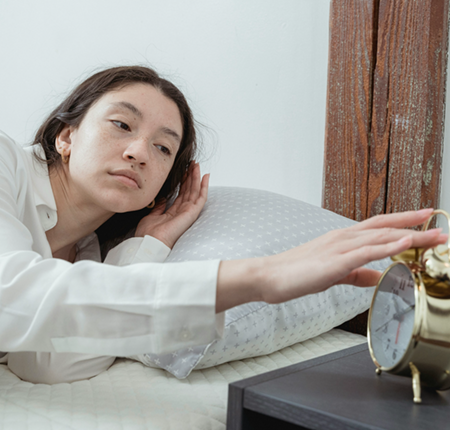
Symptoms that occur along with excessive daytime sleepiness
When it occurs, excessive daytime sleepiness is rarely an isolated symptom. You are usually also experiencing other symptoms that can range from mild and easily ignored to manifestations that affect your daily functioning and personal safety.
Mild symptoms associated with excessive daytime sleepiness
Among the manifestations that you can easily overlook, but which often accompany excessive daytime sleepiness, we find:
- Irritability states
- Lack of motivation
- Attention difficulties
- Declining yield
- Afternoon drowsiness
Severe symptoms associated with excessive daytime sleepiness
In more intense forms, excessive drowsiness can be accompanied by manifestations that increase the risk of accidents and can endanger your safety, especially in situations that require alertness, attention and quick reaction, such as while driving or operating certain equipment:
- Episodes of uncontrolled sleep
- Memory loss
- Severe concentration difficulties
When should excessive daytime sleepiness be investigated?
When it can no longer be explained by ordinary fatigue, stress, or occasional lack of sleep, when it begins to consistently affect your daily functioning or safety, excessive daytime sleepiness should be medically investigated to identify the exact causes and determine the most appropriate ways to manage it.
Warning signs of excessive daytime sleepiness
Are you tired and experiencing constant daytime sleepiness, but are you still not sure if you need to have these conditions investigated medically? Ask yourself the following questions:
- Does drowsiness persist daily?
- Do you snore loudly?
- Do you experience respiratory arrests during sleep?
- Do you fall asleep involuntarily?
- Do you have morning headaches?
- Are you experiencing neurological symptoms such as dizziness, confusion, or coordination difficulties?
If you answer yes to any of these situations, talk to your doctor.
Which specialist treats excessive daytime sleepiness?
Excessive sleepiness can be evaluated by several specialists depending on the accompanying symptoms and the suspected cause:
- Pulmonologist, for suspected sleep apnea
- Neurologist, if you experience neurological symptoms
- Sleep medicine specialist, if you suffer from sleep disorders
- Endocrinologist, if hormonal imbalances are suspected
- Psychiatrist, if sleepiness occurs due to disorders such as depression, anxiety, stress, or other mental health problems.
How to diagnose excessive daytime sleepiness
A complex approach, following several stages, is necessary to establish a diagnosis of excessive sleepiness. The doctor will investigate possible conditions, sleep disorders, chronic diseases and nutritional deficiencies, as well as your habits and lifestyle. The causes can be multiple and must be correctly identified in order to establish an appropriate treatment.
Medical consultation for excessive daytime sleepiness
A medical consultation is the first step in the evaluation. The doctor will review your history of symptoms, assess your lifestyle and sleep schedule, and identify any possible triggers or habits that may contribute to your sleepiness.
Recommended tests for excessive daytime sleepiness
Depending on the suspicions identified based on the initial consultation, your doctor may recommend various blood tests to confirm whether there are nutritional deficiencies or other imbalances that influence your energy levels:
- CBC
- blood sugar
- Thyroid hormones
- Vitamin D level
- Vitamin B12
- Iron and ferritin
Investigations for disorders that cause excessive daytime sleepiness
If the tests do not confirm a deficiency or imbalance, or if your symptoms indicate a possible sleep disorder responsible for excessive daytime sleepiness, your doctor may also refer you to investigations such as polysomnography, sleep latency tests, or home sleep monitoring. These tests allow the quality and structure of your sleep to be assessed throughout the night, in order to establish the correct diagnosis.

Treatment for excessive daytime sleepiness
Just as there is no single cause for excessive daytime sleepiness, treatment is not the same. It is determined by the triggers and can include both simple lifestyle changes and specific therapies or drug interventions to treat underlying conditions.
Lifestyle changes to reduce excessive daytime sleepiness
Very often, it is enough to improve your habits and sleepiness will be significantly reduced during the day. You will be advised to create a fixed sleep schedule, respect sleep hygiene, reduce caffeine consumption and exposure to screens before bedtime. Regular physical activity is also recommended to support rest at night and optimal functioning of the body.
Treating the underlying cause of excessive daytime sleepiness
If excessive daytime sleepiness is not caused solely by poor sleep quality, but by a pre-existing condition, treatment consists of treating the underlying cause.
For example, for sleep apnea, you may be recommended oral appliances, surgery, or specific therapies. For the control of endocrine disorders.
If endocrine disorders are the cause of your sleepiness, you will be prescribed hormonal treatments to restore balance in your body. In the case of depression or anxiety, treatment will focus on reducing stress and managing this period more effectively.
If a nutritional deficiency is affecting your energy levels and causing you to feel sleepy, treatment consists of correcting it.
Drug treatment for excessive daytime sleepiness
There are also situations where the treatment for excessive daytime sleepiness is a medication. For example, your doctor may recommend supplements for narcolepsy. If you are taking sedatives that cause drowsiness, your doctor may adjust your dosage or replace your medication. In the case of hypersomnia, he or she may recommend specific therapies.
CPAP therapy for excessive daytime sleepiness caused by apnea
For obstructive sleep apnea, CPAP (Continuous Positive Airway Pressure) therapy is one of the most effective treatment options. It keeps your airways open during sleep, allowing you to rest better and, over time, can help increase your energy levels and focus during the day.
How to prevent excessive daytime sleepiness
You can prevent excessive daytime sleepiness by living a balanced lifestyle that prioritizes sleep, nutritious food, physical activity, and stress management. Together, these will support your energy levels throughout the day and allow you to get adequate rest at night.
If you suffer from conditions that affect your energy levels, following the appropriate treatment will help you prevent, or at least better manage, states of fatigue and excessive daytime sleepiness.
The correct routine to prevent excessive daytime sleepiness
Creating a consistent sleep routine is the first step to preventing fatigue and excessive daytime sleepiness. Go to bed and wake up at regular times, avoid missing sleep, and expose yourself to natural light daily to regulate your circadian rhythm and increase your ability to stay alert during the day.
Nutrition and hydration to reduce excessive daytime sleepiness
Along with proper hydration, balanced meals, rich in nutritious foods such as fruits, vegetables, proteins, healthy fats and complex carbohydrates, without excess sugar, help stabilize energy levels and allow you to concentrate better, reducing the persistent need for sleep.
Stress management to reduce excessive daytime sleepiness
It is equally important to pay attention to your emotional balance to prevent states of exhaustion and excessive daytime sleepiness. Relaxation techniques and establishing a healthy balance between work and rest can help you reduce burnout and chronic stress that can affect your sleep quality.
The risks of ignoring excessive daytime sleepiness
If you ignore the signs of excessive sleepiness and let it get worse, not only will your daily performance and long-term well-being suffer, but the consequences can put your health and safety at risk. Due to uncontrollable sleep states, episodes of involuntary falling asleep, and constant fatigue, you are at increased risk of:
- Road accidents
- Decreased cognitive performance and ability to concentrate
- Deterioration of mental health
- Cardiovascular problems
- Deterioration of social relationships
Frequently asked questions about excessive daytime sleepiness
Still have questions? We've got the answers. Below, we'll clarify some of the most common misunderstandings about the causes of excessive daytime sleepiness, how to distinguish it from normal fatigue, and what are the warning signs that should send you to the doctor for further investigation as soon as possible.
Is it normal to have excessive daytime sleepiness?
It's normal to feel tired and sleepy occasionally, especially during busy, stressful, or sleep-deprived times. But if sleepiness persists daily and interferes with your normal functioning, it can no longer be considered a normal state.
What diseases can cause excessive daytime sleepiness?
Sleep apnea, hypothyroidism, diabetes, anemia, depression, anxiety, neurological diseases, and chronic infections are all conditions that can be associated with excessive daytime sleepiness.
How many hours of sleep are needed to avoid excessive daytime sleepiness?
In general, adults need about 7-9 hours of sleep per night. But the quality of sleep is just as important as the duration.
H3: What vitamins are missing when excessive daytime sleepiness occurs?
Deficiencies in vitamin D, vitamin B12, iron, and magnesium are frequently associated with states of fatigue and increased drowsiness.
Why does excessive drowsiness occur the day after eating?
Postprandial drowsiness often occurs due to digestion processes and blood sugar variations, being more pronounced after meals rich in carbohydrates or fats.
Can excessive daytime sleepiness be caused by stress?
Yes, chronic stress and burnout can affect your sleep quality and lead to persistent feelings of fatigue during the day.
What is the difference between fatigue and excessive daytime sleepiness?
Fatigue mainly refers to a lack of energy, which is normal, for example, after a sleepless night or after exertion. Excessive sleepiness is characterized by a real and persistent need to sleep during the day, even in inappropriate situations.
When should I see a doctor for excessive daytime sleepiness?
Medical consultation is recommended if drowsiness persists daily, affects your usual activities, or is accompanied by other symptoms such as loud snoring or episodes where you simply fall asleep without wanting to.
What tests are recommended for excessive daytime sleepiness?
Depending on the suspected conditions and the symptoms observed, your doctor may recommend blood tests such as complete blood count, blood sugar, thyroid hormones, vitamin D, vitamin B12, iron, and ferritin.
Can menstruation cause excessive daytime sleepiness?
Yes, hormonal fluctuations, premenstrual syndrome, and heavy blood loss specific to heavy menstruation can contribute to drowsiness and fatigue.
How can I quickly combat excessive daytime sleepiness?
In the short term, active breaks, exposure to natural light, hydration, and light exercise can help. But the real long-term solution depends on correctly identifying and properly treating the underlying cause.
Does sleep apnea cause excessive daytime sleepiness?
Yes, obstructive sleep apnea is one of the most common causes of excessive sleepiness because it can reduce the quality of your sleep and oxygenation of your body during the night.
Photo sources: Pexels.com


and happily breaking taboos!


