
There's one thing about stopping birth control that few women understand beforehand: your body doesn't go back to "normal" overnight. Your hormonal system goes through a readjustment period that can bring temporary changes to your menstrual cycle, ovulation, skin, and mood.
Women can choose to stop taking birth control for both personal reasons, such as planning a pregnancy, and for medical reasons. But information about what comes next is often incomplete and does not reflect reality.
Have you heard that the body completely goes out of balance after stopping birth control? Do you want to know if it's normal for your period to be late or if you're dealing with acne "because of the pill"? Let's clarify what happens after we stop taking birth control and what the most common myths are.
How contraceptives work on the female body
Oral contraceptives are among the most widely used and effective methods of contraception. Globally, approximately 16% of women use them to prevent unwanted pregnancies, according to the World Health Organization. But their contraceptive role is far from their only purpose.
Birth control pills work by inhibiting ovulation, so that the female body does not produce an egg and fertilization cannot occur. Due to their hormonal effects, contraceptives can also help regulate the menstrual cycle and menstruation, as well as in cases of endometriosis, premenstrual syndrome, acne and other conditions.
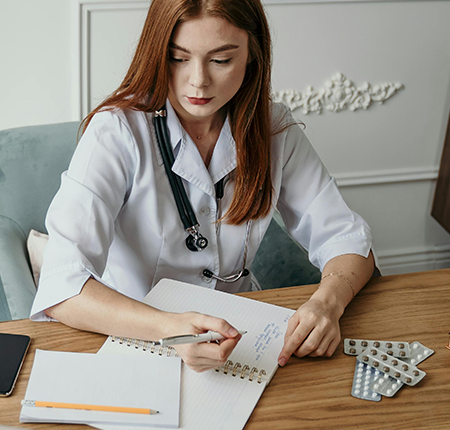
Hormones involved in the action of contraceptives (estrogen, progesterone)
There are many types of birth control pills, but most contain synthetic forms of estrogen , progesterone, or a combination of the two. These substances "mimic" a constant hormonal level, different from the natural fluctuations of the menstrual cycle.
Progesterone thickens cervical mucus to make it harder for sperm to enter and thins the uterine lining to prevent implantation of a fertilized egg. Together, these mechanisms create a contraceptive effect that is over 99% effective when the pills are taken correctly.
How contraceptives influence the menstrual cycle and ovulation
The use of contraceptives inhibits ovulation in most cases. For this reason, the bleeding that occurs regularly each month is no longer a period , but a withdrawal bleed caused by the break between blisters or placebo pills. The cycle thus becomes regular, predictable and often less painful.
However, this regularity of the cycle is hormonally induced, and after stopping the pill, the body needs time to resume natural ovulation and regulate its own rhythm.
Other systemic effects of contraceptives (skin, hair, mood)
Birth control pills can also affect other body systems beyond the menstrual cycle. The effects do not occur in all people and depend on the type of birth control pill, dosage, and individual hormonal background.
On the skin level, they can reduce sebum production and improve acne. On the hair level, some women notice a more even appearance and reduced hair loss.
And of course, synthetic hormones can have a strong impact on emotional states and overall mood. Some women feel more emotionally stable, while others may notice irritability, mood swings, or a decrease in libido.
What happens in the body after stopping birth control pills
Birth control pills are designed to help regulate your menstrual cycle by maintaining a steady hormonal balance. Stopping them marks the beginning of a transition period where your body resumes its own hormonal regulation mechanisms, which can trigger a number of changes. It's a stage that's different for every woman.
Hormonal changes and body adaptation after stopping birth control pills
The body gradually resumes its natural production of estrogen and progesterone. The hypothalamic-pituitary-ovarian axis again begins to send signals to the ovaries to resume ovulation, but this process does not always return to normal instantly.
It can take weeks or months for the ovaries to return to normal, especially if birth control pills have been used long-term. During this time, your menstrual cycle may become irregular, ovulation may be delayed, and hormonal symptoms may be more noticeable until a new balance is established.
Common effects observed after stopping birth control pills
The most common effects of stopping birth control include changes in your menstrual cycle and periods, as well as other obvious physical changes. These do not necessarily affect all women and are usually temporary:
- Delayed menstruation or irregular cycle in the first few months as ovulation resumes.
- More abundant or painful menstruation , because the pill no longer induces thinning of the endometrium.
- Cramps and accentuated premenstrual syndrome , with more intense symptoms in the absence of synthetic hormones.
- Weight and mood changes , as hormonal fluctuations influence water retention, appetite, and emotional state.
- Acne and skin changes , as increased androgen activity can stimulate sebum secretion.
- Changes in libido , with the resumption of ovulation.
- Increased vaginal secretions , as a sign of natural hormonal activity and the return of cervical mucus.
- Possible occurrence of ovarian cysts , associated with the resumption of ovulation.
How long does it take for your menstrual cycle to return after stopping birth control pills?
The average time until the menstrual cycle returns to normal can vary depending on each body, and premenstrual symptoms can intensify after stopping birth control. There are cases when menstruation returns quickly and quite regularly, and cases where it takes several months for the hormonal rhythm to be restored.
On average, it can take between 4-6 weeks and even 2-3 months for ovulation to return and menstruation to be regular. This interval can also vary depending on the type of contraceptive used.
After the contraceptive pill, the cycle often returns quickly. In the case of a hormonal implant or hormonal IUD, it may take longer because the hormones can persist in the body for a longer period after removal.
Consult your gynecologist if your period does not occur at all within 3-6 months after stopping birth control, if your cycle remains irregular for a long period of time, or if you experience intense pain or heavy bleeding that requires you to change menstrual products very frequently.
Fertility after stopping birth control pills
It is possible to get pregnant relatively quickly after stopping birth control, even if your menstrual cycle has not yet settled. As soon as ovulation resumes and an egg is released into your body, it can be fertilized and a pregnancy can begin.
As a rule, the presence of vaginal secretions specific to the fertile period, the regulation of the menstrual cycle, and the resumption of ovulation (which can be detected through specific tests) are visible signs that fertility is returning.
Through a balanced diet and an active lifestyle, you can support the faster resumption of your natural reproductive function. A varied diet rich in essential nutrients, maintaining a stable weight, managing stress, prioritizing rest, and moderate physical activity can help regulate your cycle and support fertility.
How to manage the effects after stopping birth control
Although the changes that may occur after stopping birth control are temporary in most cases, they can be unpleasant. Here's what you can do to support your body and get through this period more easily:
Nutritional recommendations after stopping birth control pills
Nutrition plays an important role in supporting hormonal regulation after stopping the pill. Supplements and foods that can contribute to the normal functioning of the nervous and endocrine systems include:
- Vitamin B6, involved in hormonal metabolism
- Zinc, which supports ovulation and the immune system
- Magnesium , which can help reduce cramps and stress
- Omega-3 fatty acids, due to their anti-inflammatory effect
- Green vegetables
- Whole grains
- Sources of protein and healthy fats
- Natural sources of fiber
Physical activity and stress management after stopping birth control pills
Moderate, regular physical activity can support hormonal balance by reducing inflammation, supporting the circulatory system, and overall well-being. Activities such as walking, yoga, pilates, or light workouts can be beneficial during this time.
It is equally important to rest and manage your stress levels. High levels of cortisol associated with stress can negatively influence ovulation and the menstrual cycle, which is why rest and relaxation techniques can significantly contribute to restoring hormonal balance.
Skin care during the transition period after stopping contraceptives
The skin may react to hormonal fluctuations that follow stopping birth control pills with excess sebum, acne, or increased sensitivity.
It is recommended to combat these effects with a gentle skincare routine, adapted to your skin type, that does not damage the skin barrier. This means avoiding aggressive products with fragrance, parabens and other harsh ingredients, and choosing natural products according to your own needs.
Don't hesitate to schedule a dermatological consultation to establish a personalized and effective strategy.
When is a medical check-up necessary after stopping birth control pills?
It is recommended to consult a doctor before stopping birth control pills, so that you can make this decision together with your gynecologist. He or she will also tell you when and how to stop taking the pills.
After stopping, if your period doesn't return within 3-6 months, or if you experience symptoms such as abnormal bleeding, severe pain, or other signs that something is wrong, you should see a doctor. Severe acne, hair loss, or other signs of hormonal imbalance are also good reasons to see your doctor.
Possible complications or conditions that may occur after stopping birth control pills
There are situations when stopping birth control can reveal hormonal imbalances or pre-existing conditions that were temporarily kept under control by administering synthetic hormones:
- Polycystic ovary syndrome (PCOS) , which can manifest as irregular cycles, acne, infrequent or absent ovulation, which become evident after stopping birth control pills.
- Persistent menstrual imbalances , such as absence of menstruation, long-term irregular menstruation, or very heavy bleeding.
Mood disorders or anxiety associated with hormonal fluctuations.
Frequently asked questions about stopping birth control
If you've noticed changes in your cycle, skin, or mood after stopping the pill, or if you're wondering how quickly you can get pregnant, you're not alone. And because we know there are so many myths about what happens after you stop taking birth control, in this section we're addressing the most frequently asked questions about how to manage the effects that come with this transition.
What happens if I stop taking birth control pills halfway through the pack?
If you stop taking the pill halfway through the pack, your menstrual cycle may be temporarily irregular and you may experience spotting. It is normal to even experience withdrawal bleeding that lasts a few days and is caused by the sudden drop in hormone levels. The risks are not major, but your body may need a longer period to recalibrate.
Can I have irregular bleeding after stopping birth control?
Yes, bleeding may be shorter or longer after stopping birth control, and you may notice episodes of spotting or heavier periods in the first few months. These usually disappear as your ovaries resume normal activity.
How quickly can I get pregnant after stopping birth control?
Fertility returns when ovulation resumes, which can happen immediately after stopping birth control or after a few cycles. There is no set time. Some women can get pregnant as early as the first cycle after stopping the pill.
Is it normal to not have a period for a while after stopping birth control?
Menstruation may be absent in the first 1-3 months after stopping birth control, but it is recommended to talk to your gynecologist if this absence persists.
How can I reduce unpleasant symptoms after stopping birth control pills (acne, weight gain, pain)?
You can support your body during this time by eating a balanced diet, staying hydrated, exercising, and practicing stress management techniques. Upon your doctor's recommendation, zinc or omega-3 supplementation can also support hormonal regulation.
What supplements help with hormonal regulation after stopping birth control?
Vitamins B6 and B12, zinc, magnesium, and omega-3s can support hormonal balance and help reduce PMS symptoms or acne. However, you should always talk to your doctor about dosage and duration before trying any supplement.
How long does it take for ovulation to return after stopping birth control pills?
Ovulation usually returns within 1-3 months of stopping the pill. However, this time frame can vary for each woman. If you have any concerns about your fertility or hormonal balance, don't hesitate to talk to your gynecologist.
Is it dangerous to resume taking birth control pills immediately after a break?
It is essential to consult your doctor to determine the right time to resume contraception and choose the type of contraceptive, especially if you have previously experienced adverse reactions or side effects.
Can I stop taking birth control pills suddenly or should I do it gradually?
You can usually stop taking birth control pills abruptly without any major risks, but it's best to discuss the best strategy for you with your doctor. In some cases, depending on your hormonal history, your doctor may recommend a gradual transition.
What signs show that hormones have balanced after stopping birth control?
When hormone levels return to normal, this is reflected in the regulation of the menstrual cycle and ovulation, in the increase in the level of vaginal secretions, and in the improvement of symptoms such as acne, mood swings, or bloating.
Photo source: Pexels.com


and happily breaking taboos!


