
Probiotics: What they are, types, benefits
Have you ever wondered why probiotics almost always come up in discussions about digestion and even the balance of intimate flora?
Probiotics are live microorganisms that help your body maintain balance. They are yeasts and bacteria that are part of a larger ecosystem, called the microbiome, and that exist naturally in your body, especially in your digestive tract.
When stress, poor diet, antibiotics, or other disruptive factors cause digestive discomfort or imbalances in your microbiome, probiotics intervene to support the restoration of flora and the normal functioning of the body.
What are probiotics?
Initially defined as "non-digestible food ingredients with a beneficial effect on the host by selectively stimulating the growth and/or activity of one or a limited number of bacteria in the colon", probiotic compounds are explained by the International Scientific Association for Probiotics and Prebiotics (ISAPP), according to the new amendments , as "substrates selectively used by host microorganisms, which confer a health benefit".
Basically, probiotics are live microorganisms, especially bacteria and yeast, that benefit the body if you consume them in sufficient quantities.
A large part of these beneficial bacteria reside in the intestine, where they form the intestinal microbiome, a complex ecosystem that further influences your digestion, immunity, and health.
In other words, not all bacteria living in your body are bad. Some, like probiotics, help you function properly. So we're talking about a balance between "good" bacteria and potentially harmful ones.
In this balance, the body functions normally. When the balance is disrupted, bad bacteria can lead to discomfort and affect various functions.
How probiotics work
The main action of probiotics is to support the balance of intestinal flora. They help beneficial bacteria to remain active and reduce the space in which harmful ones can develop. Due to their ability to inhibit the development of pathogenic microorganisms, they contribute to a more stable and healthier intestinal environment.
How do you feel the effect of this balance? First of all, it is directly reflected in digestion. A healthy intestinal flora supports efficient digestion and optimal absorption of nutrients.
Also, according to data published in the specialized literature , the intestine hosts approximately 70-80% of the body's immune cells, being considered the largest immunological organ.
So by maintaining a balanced microbiome, probiotics contribute to a strong immune system. They maintain and repair the intestinal lining, preventing harmful bacteria and toxins from entering the bloodstream.
Types of probiotics
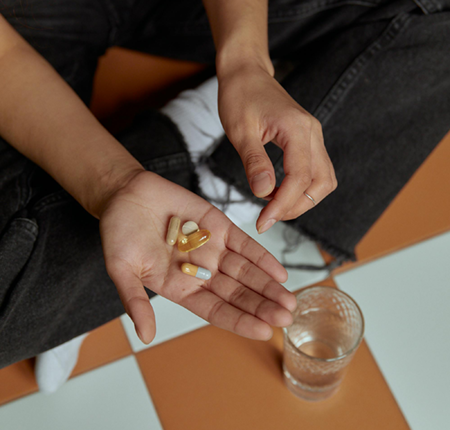
Depending on the type of microorganism and the role it plays in the body, there are several types of probiotics. The most well-known belong to a few main families, each with specific benefits.
The main probiotic strains
Probiotics are generally identified by genus, species, and strain name, according to the National Institutes of Health (NIH) fact sheet on probiotics . Among the most common are microorganisms from the genera Bifidobacterium, Saccharomyces, Streptococcus, Enterococcus, Escherichia, and Bacillus and from the family Lactobacillaceae.
Two of the most studied and used strains are Lactobacillus and Bifidobacterium, two families of beneficial bacteria naturally present in the gut.
- Lactobacillus are associated with supporting digestion and the balance of intestinal flora.
- Bifidobacterium are bacteria that play a role in maintaining colon health and immunity.
- Saccharomyces boulardii are fungal strains, more precisely yeasts that are beneficial in digestive imbalances or when the intestinal flora is affected.
Each of these strains has different roles in the body. Most have in common the ability to inhibit the growth of pathogenic microorganisms in the gastrointestinal tract. Other mechanisms, such as vitamin synthesis or strengthening the intestinal barrier, are specific only to certain species or strains.
Bacterial vs. fungal probiotics
Bacterial probiotics, such as Lactobacillus and Bifidobacterium, work by colonizing the intestine.
Think of them as competitors for bad bacteria. Probiotics take up space, use up resources in the body, and thus prevent the growth of pathogens and directly support intestinal balance. And they do something else important. They produce acids, such as lactic acid, which lowers the intestinal pH and creates a less favorable environment for harmful bacteria.
The effect of bacterial probiotics is visible in the long term, which makes them useful in situations such as slow digestion, frequent bloating, irritable bowel syndrome, but especially preventively, to maintain a stable balance of the microbiome.
Fungal probiotics, such as Saccharomyces boulardii, are yeasts that do not permanently colonize the intestine.
They only temporarily help restore the balance of the microbiome during intestinal transit. Their main role is to neutralize bacterial toxins, reduce inflammation, and support the restoration of flora.
This is why fungal probiotics are used especially in situations that can create imbalances, such as episodes of diarrhea or antibiotic treatments.
The importance of stems
Not all probiotics are the same. They come from different families and have different effects. It is important to know the full strain to understand exactly how it works.
Each strain (or code) has different effects and guarantees that the probiotic has been studied in clinical research and has specific proven benefits.
For example, the simple term Lactobacillus rhamnosus is a generic name. It only gives us information about the genus (Lactobacillus) and the species (rhamnosus).
Instead, a name like Lactobacillus rhamnosus GG represents the complete strain, which in this case is associated with immune system benefits.
The benefits of probiotics
Although the main action of probiotics is to support the intestinal flora, their impact goes beyond digestion. By helping to maintain a balanced microbiome, they also influence other systems in the body:
- Digestive health: helps reduce abdominal discomfort and regulate intestinal transit.
- Immune system: they can contribute to a more stable and effective immune response to external factors.
- Gut-brain axis: can have an indirect impact on well-being, stress levels, and even mood.
Vaginal and urinary health: probiotics support the microbiome at both the vaginal and urinary levels, because they help maintain the balance of vaginal flora , thus contributing to increased comfort and preventing imbalances that can lead to infections.

Probiotics and menstruation
By influencing the microbiome, probiotics can indirectly affect hormonal balance and menstrual cycle symptoms. If there is an imbalance in your body, it can affect your period, including its duration and flow, changes that you will also notice in the number and degree of absorption of menstrual products you use.
Microbiome and hormones
The gut microbiome helps regulate estrogen levels by producing an enzyme called β-glucuronidase, the literature explains. That enzyme helps convert estrogen into its active form.
When the intestinal flora is unbalanced and the diversity of good bacteria decreases, this process can be altered, which can influence the level of estrogen in the body and, further, can lead to the development of conditions such as obesity, metabolic syndrome, endometriosis, polycystic ovary syndrome, fertility problems and other imbalances associated with the menstrual cycle.
PMS symptoms
The state of the gut microbiome is also closely linked to the manifestations that occur during the premenstrual period, including bloating, inflammation, digestive discomfort, and other symptoms of premenstrual syndrome .
For example, in a cross-sectional study published in 2022 , low levels of Butyricicoccus, Extibacter, Megasphaera, and Parabacteroides were associated with severe premenstrual disorders.
Recurrent vaginal infections
A balanced vaginal microbiome protects the body more effectively against vaginal infections . When the flora is disrupted, the risk of infections increases.
Probiotics, especially lactobacilli strains, help maintain a healthy, acidic vaginal environment, thus supporting the balance of intimate flora and helping to prevent recurrent episodes of infection or discomfort.
Probiotics vs prebiotics vs postbiotics
Probiotics, as I mentioned at the beginning of the article, are live microorganisms, basically beneficial bacteria or yeasts, that support microbiome balance and digestive and immune health. Prebiotics and postbiotics are closely related to probiotics.
Prebiotics are food compounds, such as fiber or indigestible compounds, that serve to support the growth and activity of beneficial microorganisms already present in the intestinal flora. Think of prebiotics as food for probiotics.
The term postbiotics refers to products resulting from the activity of probiotics. More specifically, they are bioactive substances, such as organic acids or peptides, that mimic the benefits of probiotics.
The essential difference lies precisely in the role and action of each of the three elements. Probiotics are beneficial bacteria, prebiotics feed them, and postbiotics are the result of their activity.
As the analysis published in 2025 illustrates, each type of compound has unique and complementary effects in different conditions, such as inflammatory bowel disease, irritable bowel syndrome, obesity, constipation, and antibiotic-associated diarrhea. Together, the three work synergistically to support a functional and balanced microbiome.
When probiotics and prebiotics are combined in a single product, they are called symbiotics. It is a formula designed to support the intestinal flora directly and indirectly, for maximum effectiveness.
Natural sources of probiotics
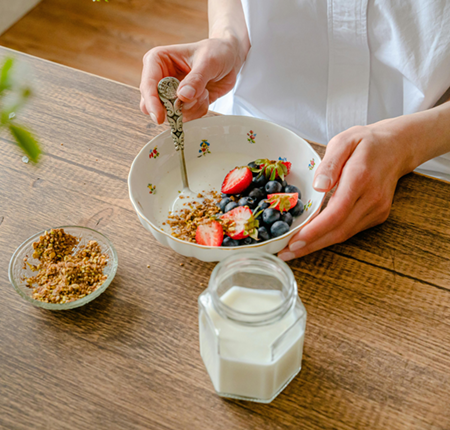
You can ensure your probiotic intake both from food, especially fermented foods that contain live cultures beneficial to the microbiome, and from dietary supplements.
Probiotics - Fermented foods
Fermented foods are an excellent source of probiotics. Microorganisms are intentionally introduced or occur naturally to consume sugars and starches, producing lactic acid or alcohol that also helps form beneficial microorganisms for health.
Among the most accessible sources of probiotics you can find:
- Yogurt, provided it contains active live cultures, not just processed varieties.
- Kefir, often considered more potent than yogurt because it is rich in a variety of beneficial bacteria and yeasts.
- Fermented cabbage (or sauerkraut), especially when it is unpasteurized.
- Pickles in brine, not vinegar.
- Kombucha, a fermented tea-based drink containing beneficial bacterial and yeast cultures.
Probiotics - How to choose the right one
To truly benefit from the probiotic effect, choose products that clearly state the presence of live cultures or active fermentation. Try to avoid products that are excessively pasteurized after fermentation, as the process can destroy the beneficial bacteria and thus reduce the probiotic effect.
Probiotic supplements
Probiotic supplements are a concentrated version of beneficial bacteria, created to support the microbiome when diet is insufficient or when there is an intestinal imbalance.
Types of probiotic supplements
Probiotic supplements are most often found in capsule, sachet, or liquid form. Capsules are the most commonly used and provide protection for the bacteria until they reach the gut.
The sachets contain a powder that dissolves in water or other liquids, making it easy to administer for different ages or needs.
Liquid formulas have the advantage of rapid absorption, but require more attention to storage and shelf life.
How to choose a probiotic
Which probiotic you choose depends primarily on its purpose. What do you need probiotics for?
Have you been on antibiotics and need help recovering? Or do you need support for digestion, immunity, or vaginal balance? For each purpose, a different type of probiotic will be effective.
It's also important to consider the type of strains included. Each bacteria has different roles in the body, and not all probiotics have the same effects.
CFU and strains
CFU (or CFU, meaning colony forming units) illustrates how many live, active bacteria a product contains. A higher concentration does not automatically mean a better product, but it may be relevant depending on the objective and medical recommendation.
Quality and storage of probiotics
The quality of probiotics is characterized by the stability of the strains and their ability to survive in the intestine.
Some supplements need to be refrigerated to remain stable, while others retain their properties at room temperature. But it is very important to respect the storage conditions to protect the effectiveness of the probiotics.
How to administer probiotics
As important as choosing the right probiotics is, how you take them is just as important. The timing of your intake, the dosage, and how you combine them with other treatments can significantly influence their effectiveness.
Probiotic dosage
The daily dose of probiotics depends on the product and the goal, for example if you use them just to support your body, or if they are necessary to restore your intestinal flora in case of treatments or imbalances.
In some situations, a maintenance dose is sufficient, in other situations the doctor may recommend using them in more concentrated doses.
Timing of probiotic administration
You can take probiotics before or after meals, depending on the formula, but the most important thing is to take them consistently, every day. Consistency matters more than the exact time, because their effect occurs over time.
Administering probiotics with antibiotics
If you are taking probiotics with antibiotics, you can space them out a few hours to avoid killing off the beneficial bacteria. You will typically continue taking probiotics after the antibiotics are finished to support a full restoration of your microbiome.
Probiotics in special situations
Sometimes, in case of digestive problems such as acute, infectious diarrhea or diarrhea associated with antibiotic treatments, probiotics may also be recommended for children. But the dose and type of probiotics are always chosen carefully, on the recommendation of a doctor.
Another special situation where probiotics can provide important support is during pregnancy, to support vaginal flora and digestion. Again, it is recommended to talk to your doctor.
Probiotics can also be useful in digestive conditions such as irritable bowel syndrome or intestinal flora imbalances, but it is important to know that they are not a one-size-fits-all treatment. In other words, probiotics can help you restore your flora more quickly, but medical consultation and specific treatment are still necessary to cure the condition.
Always seek medical help if symptoms persist, are severe, or if chronic conditions develop while taking probiotics.
Side effects and contraindications regarding probiotics
Initially, after your first doses of probiotics, you may experience some mild discomfort. As your microbiome adapts, the initial bloating will reduce.
Although generally quite well tolerated, probiotics can cause certain side effects, such as allergic reactions (swelling, rashes) or overstimulation of the immune system in people with autoimmune diseases.
These reactions are rare, and when they do occur, they usually occur in patients with weakened immune systems, pre-existing conditions, or recent surgery. That is why it is recommended to administer probiotics with caution to people with immunocompromised or serious conditions.
If you start taking probiotics and notice unusual reactions, persistent or worsening symptoms, contact your doctor immediately.
Frequently asked questions about probiotics
Want to know more about probiotics? Or maybe you'd rather have all the information about how you should take them in a quick and easy-to-read list? You'll find all the information at your fingertips in the section below, where we've briefly answered the most frequently asked questions about probiotics.
How long are probiotics administered?
The duration of administration depends on the purpose. If you are taking probiotics to restore your intestinal flora, for example after a course of antibiotics, you will do so in short courses of a few days or weeks. If you are taking them simply to support your microbiome, you can administer them for longer periods according to medical recommendations.
Can probiotics be taken daily?
Yes, you can generally take probiotics daily. For healthy people, they are considered safe for long-term use. But it is important to choose the right type and dosage for you, based on your own needs.
What are the best probiotics?
There is no universal answer to this question. The best probiotic is the one that works most effectively for you, and the effectiveness depends on the strains included and their purpose, namely to support digestion, immunity, intestinal or vaginal flora.
When to take probiotics?
Probiotics are usually taken before or after meals to allow the bacteria to better survive stomach acidity. But always read the dosage recommendations on the product packaging, as they can vary.
Can probiotics be taken with antibiotics?
Yes, you can take probiotics while on antibiotics, but it is not recommended to take them at the same time. Keep a gap of a few hours between the antibiotic and the probiotic so that the treatment does not destroy the beneficial bacteria.
Do probiotics help with bloating?
Probiotics can help if your bloating is caused by an imbalance in your gut flora, but the effects don't appear immediately, but over time. When the cause of your bloating is a specific condition, the symptoms won't go away just by taking probiotics. You also need to follow the specific treatment prescribed by your doctor.
Do probiotics help immunity?
Yes, the gut microbiome plays an important role in the functioning of the immune system, and probiotics can support this balance. They strengthen the intestinal barrier, prevent harmful bacteria from entering the body, and produce protective substances that fight pathogens.
Are there any side effects?
Probiotics are generally well tolerated. Sometimes you may experience mild bloating at the beginning of the intake, but this is normal and will subside as your microbiome adapts. However, if you experience allergic reactions such as rashes, swelling, or difficulty breathing, contact your doctor immediately.
Do probiotics help with candidiasis?
Probiotics can support the restoration of vaginal flora and help prevent imbalances, but they are not a substitute for medical treatment for candidiasis. They are usually used in addition to treatment to provide additional support.
Can children take probiotics?
Yes, there are age-appropriate formulas that can be safely used for children, after antibiotic treatments or in the case of certain digestive imbalances. But always follow your doctor's recommendations.
Photo sources: Pexels.com


and happily breaking taboos!


