
Have you ever caught yourself trying to warm yourself up by rubbing your palms together or hiding your feet under the blanket, even when the room temperature was normal? The sensation of cold hands and feet may just be a natural physiological reaction when it occurs occasionally. But when it happens frequently, this sensitivity can have several causes, including cardiological, vascular, or endocrine.
Find out in our article why your hands and feet constantly feel cold, what this body response means, and what you can do to improve your comfort and well-being.
Why do we have cold hands and feet?
The sensation of cold hands and feet can be caused by various, common causes, and is not always a cause for concern.
You may feel cold in your extremities when you are exposed to cold temperatures, such as when you go outside in the winter or as a result of a drop in ambient temperature. In these situations, the low temperature of your hands and feet is a completely normal physiological response.
The sensation of coldness in the limbs can also be triggered by stress or strong emotions, without giving you any reason to worry.
But there are some more serious conditions that can cause cold hands and feet. If you're constantly experiencing this sensation, even when the ambient temperature is warm and the people around you are warm, it could be a symptom that requires medical attention. Poor circulation and autoimmune diseases are among the main causes of low temperature in the extremities.
How the body reacts to cold
When the temperature drops, such as during the cold season, the body activates a natural protective mechanism to maintain heat in the vital organs. The body reduces circulation to the extremities (palms, fingers, soles) through a process called vasoconstriction, which is the temporary narrowing of blood vessels. As a result, the hands and feet become cold even when the rest of the body seems well protected.
The role of peripheral circulation in temperature regulation
Peripheral circulation is responsible for transporting blood to the areas furthest from the heart, to the extremities: the hands and feet. When it is affected, the flow of oxygenated blood that irrigates these areas decreases, and the extremities no longer receive enough heat. This is how sensations of coldness, tingling, and even numbness in the hands and feet appear.
Peripheral circulation can be impaired by the onset of Raynaud's syndrome, a condition that causes blood vasoconstriction in the extremities. Vasoconstriction is a normal response of the body during exposure to cold, but in the case of Raynaud's syndrome it occurs suddenly and not always for identifiable reasons.

The difference between physiological reaction and disease symptom
In many situations, cold hands and feet are just a normal and temporary reaction to cold, stress, or intense emotions.
But when there is no obvious reason, they can indicate the presence of other health problems. Especially if the feeling of cold occurs at normal temperatures or if it is accompanied by pain, color changes, persistent numbness, even symptoms such as fatigue and dizziness, it can signal conditions such as Raynaud's syndrome, thyroid problems, anemia and circulatory disorders.
Possible causes for cold hands and feet
Cold hands and feet can have numerous causes, starting from completely normal and temporary factors such as low temperatures specific to the cold season or moments with strong emotional charge.
But just as plausible are many other health problems that require medical attention. It is important to know the main causes that can influence the temperature of your hands and feet, so you can understand whether what you are feeling is just a passing discomfort or could be a symptom.
Poor blood circulation
"Poor circulation" is probably the "explanation" you hear most often from people around you when you complain about cold hands and feet. And while it's not the only possible reason, poor blood circulation is indeed one of the main causes of this phenomenon.
When blood has difficulty reaching the hands and feet, these areas cool quickly and may become pale, numb, or sensitive to cold. A sedentary lifestyle, low blood pressure, or vascular conditions can all contribute to reduced blood flow to the extremities.
For example, peripheral arterial disease is among the most serious conditions associated with arterial narrowing and insufficient blood reaching the extremities.
Chronic venous insufficiency can also be a cause of cold hands and feet because it affects how blood returns from the peripheral circulation to the heart.
Hypothyroidism and slow metabolism
The thyroid gland plays a role in regulating metabolism and energy production in the body. In turn, metabolism influences the circulatory system, heartbeat, and body temperature. Therefore, when thyroid function is impaired, metabolism will also be affected.
The body generates less heat in people suffering from hypothyroidism, circulation is impaired, and the sensation of cold is felt more intensely, especially in the hands and feet.
Anemia and iron deficiency
Iron plays a key role in transporting oxygen in the blood. When its levels are not in an optimal range, the body receives less oxygen and the extremities are among the first to be affected. Iron deficiency anemia is often manifested by cold hands and feet, along with extreme fatigue, paleness and difficulty concentrating.
Vitamin B12 and magnesium deficiency
Vitamin B12 and magnesium contribute to the optimal functioning of the nervous system and support the health of blood vessels. When levels of these nutrients are deficient, this can affect both circulation and nerve sensitivity, leading to cold extremities, tingling or numbness.
Diabetes and peripheral neuropathy
Peripheral neuropathy is a condition caused by damage to the peripheral nerves that transmit signals between the brain, spinal cord, and the rest of the body. When they are damaged and no longer function properly, they cannot detect temperature, causing cold hands and feet.
One of the health problems that can affect peripheral nerves is diabetes. For this reason, diabetic patients may frequently experience the sensation of cold hands and feet, or even numbness in the extremities.
Raynaud's disease
Raynaud's disease or syndrome causes the blood vessels in your fingers to suddenly narrow, even in the absence of cold temperatures. Your fingers may turn white, then bluish, and finally red as circulation returns.
The exact causes are not always known, but it is a condition that occurs more frequently in women. Approximately 75% of diagnosed cases of primary Raynaud's syndrome are found in women between the ages of 15 and 40.
Heart or vascular diseases
Cardiovascular disease can affect the heart's ability to pump blood efficiently, leading to poor blood flow to the extremities. Vascular conditions like atherosclerosis can also narrow the arteries and reduce circulation to the hands and feet.
Smoking, stress and environmental factors
Smoking can reduce oxygen levels in tissues, increasing the risk of cold extremities. Stress and anxiety can trigger vasoconstriction, the same mechanism the body activates in the cold. Cold temperatures, exposure to wind, or humidity also contribute to rapid cooling of the extremities.
Hormonal imbalances and menstruation
Hormonal changes can influence circulation and temperature perception.
Many women notice that during certain stages of life with specific hormonal fluctuations (during pregnancy, postpartum, during the menstrual cycle or perimenopause) that their extremities become colder. This can also be observed during menstruation and is due to variations in estrogen and progesterone, which can affect vascular tone and thermoregulation.
What you can do during this period to reduce discomfort is to dress appropriately to keep your body warm, avoid tight clothing that can hinder circulation, and use organic pads and tampons , created specifically for your intimate health and comfort.
Symptoms associated with cold hands and feet
Cold hands and feet do not always occur as an isolated symptom. Sometimes they are accompanied by other manifestations that can help identify the cause. It is important not to ignore these signs and to identify them in order to distinguish normal reactions to cold from a possible condition that requires further investigation.
Numbness, tingling, paleness, or blue discoloration
When blood circulation is slowed or blood vessels constrict, the skin may become pale or bluish, and the tingling or prickling sensation increases. These manifestations often occur during exposure to cold or during Raynaud's episodes.
Pain, burning sensation, general fatigue
Sometimes, cold hands and feet can be accompanied by pain or a burning sensation. If associated with persistent fatigue, these symptoms may indicate anemia, a vitamin deficiency, or other endocrine conditions such as hypothyroidism.
Ulcers, wounds that are difficult to heal
In severe cases of poor circulation, small wounds that are difficult to heal or even ulcers may appear. These are red flags and require prompt medical evaluation, as they may indicate a serious vascular problem.
When to worry and see a doctor if you have cold hands and feet
Although it generally does not pose an immediate danger, there are situations in which cold extremities can signal a serious health problem. It is recommended to seek the opinion of a specialist if:
- Symptoms persist or worsen regardless of temperature.
- Sensations of pain, intense numbness, or skin lesions appear.
- You have frequent episodes of Raynaud's syndrome, with sudden color changes.
- You notice that you have a fever, weight loss, or suffer from asthenia.
A medical consultation can help you find the exact cause and begin appropriate treatment.
Investigations and diagnosis of cold hands and feet
To understand why you always have cold hands and feet, after an initial discussion, the doctor may recommend a series of analyzes and tests:
- Blood tests to check thyroid function (TSH), hemoglobin level, vitamin B12 deficiency, iron, and blood sugar to rule out diabetes.
- Doppler ultrasound for peripheral arteries, which evaluates how blood circulates through the hands and feet in order to detect possible blockages or vascular narrowing.
- Cold challenge tests or Raynaud's test, to identify episodes of excessive vasoconstriction specific to Raynaud's syndrome.
- Tests for autoimmune or vascular diseases, when there is a suspicion of conditions such as lupus, scleroderma, or vasculitis.
Solutions and treatment for cold hands and feet
Treatment for cold hands and feet depends on the underlying cause and involves managing any underlying health issues, if they are the source of the symptoms. However, there are many things you can do in your daily life to improve circulation and reduce discomfort.
General measures regarding cold hands and feet
A first measure against the feeling of cold hands and feet is the obvious one, namely maintaining them at normal temperatures through simple habits:
- Wear gloves and thick socks in the cold season.
- Avoid sitting in the same position for long periods of time, especially if you cross your legs, to prevent slowing down your circulation.
- Maintain a daily exercise routine and practice light exercises to stimulate circulation in your fingers, palms, and soles.
- Stay hydrated, as dehydration can lead to constriction of blood vessels.
Useful supplements that help with cold hands and feet
Certain nutritional deficiencies can contribute to poor circulation. Depending on the results of your tests, your doctor may recommend supplementation with:
- Vitamin B12, to support nerve function and red blood cell formation.
- Iron, in case of anemia or low iron levels.
- Magnesium, for vascular relaxation.
- Vitamin D, to keep arteries and blood vessels relaxed enough to allow adequate blood flow.
Do not take supplements without a specific set of tests and without receiving the guidance of a specialist. For an effective and healthy approach, they should only be taken on the recommendation of a doctor.
Avoiding smoking and stress
Smoking contributes to vasoconstriction by narrowing the arteries that carry blood to the peripheral nerves. This reduces the level of oxygenation of the tissues and increases the sensation of cold. Quitting smoking can help improve this symptom.
Stressful episodes stimulate the release of hormones that cause blood vessels to narrow. Practicing stress management techniques through deep breathing, yoga, and other mindfulness techniques can significantly improve circulation.
Drug treatment for cold hands and feet
If the feeling of cold is caused by conditions such as anemia, hypothyroidism, diabetes, or vascular disease, the doctor will first treat the underlying cause.
In this regard, hormonal treatments may be prescribed in case of hypothyroidism, iron/B12 supplements for patients suffering from anemia, medications to control blood sugar in case of diabetes, or other therapies for autoimmune conditions.
When vasodilators or specific therapies are recommended
In severe cases, especially in people with Raynaud's syndrome, the doctor may recommend vasodilator medications such as calcium channel blockers or specific therapies to relax blood vessels.
These treatments should not be taken without medical advice and are only indicated when symptoms affect quality of life or when there is a risk of injury.
Natural and alternative remedies for cold hands and feet
In parallel with classic treatment and lifestyle adjustments, some natural remedies can help stimulate circulation and quickly warm the extremities.
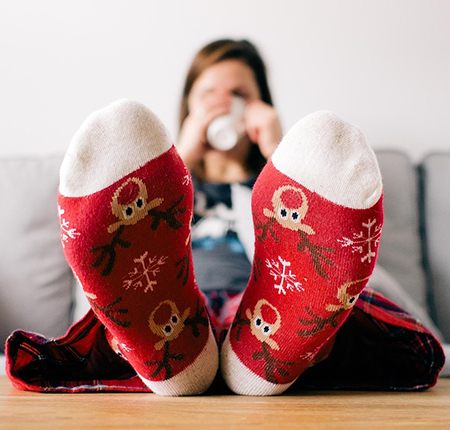
Massages, hot baths, warm-up exercises
Gentle massage of the palms and soles stimulates blood flow and warming. Warm baths for the hands and feet support blood vessel relaxation, and simple exercises such as ankle rotations, toe curling, and even walking in place can stimulate peripheral circulation.
Teas and herbs that improve circulation
Certain herbs have vasodilator and anti-inflammatory properties. Ginger, ginkgo biloba, green tea, rosemary, and cayenne pepper can be consumed in the form of teas or supplements, depending on the recommendation of a specialist, to support blood circulation.
Nutrition for healthy circulation
Diet plays an important role in maintaining the elasticity of blood vessels. For a balanced diet, it is recommended to regularly consume foods rich in micro- and macronutrients such as fatty fish, avocados and nuts as sources of healthy fats, citrus fruits, kiwi and bell peppers rich in vitamin C, green vegetables for a healthy intake of iron and magnesium, as well as spices with a thermogenic effect such as ginger and turmeric.
How to prevent cold hands and feet
Prevention is often easier than treating symptoms, especially if you frequently experience cold extremities. Here's what you can do to reduce your risk of thermal discomfort:
Maintaining body temperature
Dress appropriately for the season, with multiple layers to keep you warm. You can use thermal socks in the cold season and it is recommended to avoid tight clothing that can slow down circulation.
Avoiding exposure to extreme cold
Limit time spent in very cold environments and avoid sudden changes in temperature. If you work outside, make sure you take regular breaks to warm up.
Periodic medical check-up
Do you constantly experience cold hands and feet? Monitoring your symptoms through regular check-ups is essential to detect potential problems such as anemia, thyroid disorders, or circulatory diseases early. With early diagnosis and appropriate treatment, you can prevent complications and maintain optimal circulation.
Frequently asked questions about cold hands and feet
Cold hands and feet are a common problem, but the explanations and solutions can vary greatly from person to person depending on the cause and lifestyle. Below you will find answers to the most frequently asked questions, to help you understand what is happening in your body and when it is time to see a doctor.
Why do I always have cold hands and feet?
Normally, feeling cold in your hands and feet is a natural reaction to cold or stress. But when it persists, it can be a symptom of poor peripheral circulation, anemia, hypothyroidism, or a vitamin and mineral deficiency.
What diseases can cause cold hands and feet?
Among the conditions that can trigger the sensation of cold hands and feet, the most common are anemia, hypothyroidism, diabetes, heart or vascular disease, Raynaud's syndrome, and autoimmune disorders.
When are cold hands and feet a sign of serious illness?
When the feeling of coldness occurs for no apparent reason, persists, or is accompanied by numbness, pain, ulcers, discoloration, or extreme fatigue, it may signal the presence of a health problem and a medical consultation is recommended. The only way a serious condition can be detected is through specific tests and analyses.
How can I improve peripheral circulation naturally?
Daily physical activity, appropriate clothing, massage, warm baths, adequate hydration, a nutrient-rich diet, and avoiding positions that block blood flow are simple measures that can support your blood circulation and thermal comfort day after day, naturally.
What vitamins are good for cold feet?
Vitamin B12, vitamin C, vitamin D, iron, and magnesium can support the proper functioning of blood vessels and peripheral nerves. Keep in mind, however, that you shouldn't take supplements just because you have cold hands and feet. Supplements can only be helpful if there is a real deficiency, which can only be confirmed by specific tests. Always talk to your doctor and follow his or her recommendations.
What treatment is there for cold hands and feet?
Treatment for cold hands and feet depends on the cause. As for drug treatment, it is administered only on the recommendation of a doctor, based on tests and diagnosis.
Dietary supplements may be recommended to correct deficiencies, hormonal treatments for hypothyroidism, specific treatments for patients suffering from diabetes, or even vasodilators in severe cases.
How do I recognize Raynaud's disease and how is it treated?
Raynaud's syndrome is characterized by episodes of sudden, sometimes unexplained, cold hands and feet, with the fingers turning white, then blue and painful. Treatment may include thermal protection, smoking cessation, relaxation techniques, and sometimes vasodilators recommended by a doctor.
Why do cold feet occur during sleep?
During sleep, metabolism slows down and peripheral circulation can become slower, causing the temperature of your hands and feet to drop. Sleeping in a room where the temperature is lower can also exacerbate the problem.
Do iron and magnesium supplements help with circulation?
Dietary supplements can help improve symptoms if there is a true deficiency confirmed by tests. Iron supports tissue oxygenation, and magnesium contributes to vascular relaxation. However, they are not useful if there is no deficiency in the body. In these situations, the feeling of cold has another cause that must be investigated by a doctor.
What tests are done for poor circulation?
Depending on the symptoms, the doctor may recommend various tests to determine the cause of cold hands and feet. Complete blood count, iron and vitamin B12 levels, TSH, blood sugar, lipid profile, plus other investigations such as Doppler ultrasound or Raynaud's test, are among the tests most commonly recommended in these situations.
What natural remedies are there for cold feet?
Hot baths, massage, a balanced diet, consumption of ginger, ginkgo biloba, green or rosemary tea, and exercises to stimulate circulation are some habits you can adopt in your daily life to increase your thermal comfort.
How can I prevent cold feet in winter?
During the cold season, clothing plays a key role in preventing the feeling of cold. Wear thick socks, appropriate footwear, dress in layers, and avoid staying in the cold for long periods of time. You can also support your circulatory health with an active lifestyle.
Can cold hands be a symptom of stress or anxiety?
Yes. Stress and anxiety can trigger vasoconstriction, or the narrowing of blood vessels, which can reduce blood flow to the extremities.
What does cold feet mean during menstruation?
Hormonal fluctuations and fatigue can affect blood circulation, leading to colder extremities during certain phases of the menstrual cycle. It's usually not a cause for concern.
How do vasodilators work in the peripheral circulation?
These medications relax blood vessels, improving blood flow to the hands and feet. They are prescribed by a doctor only in moderate to severe cases, such as Raynaud's syndrome or certain vascular diseases.
Photo sources: Pexels.com and Pixabay.com


and happily breaking taboos!


