
Menstruation on vacation at the beach
A frustratingly familiar scenario for women, that's how we could describe today's topic. Namely, one of the most inopportune times when your period decides to come: right during the summer vacation you've been waiting for all year.
You've prepared your light-colored outfits in advance, you've planned your itinerary and goals, you've prepared to create unforgettable moments, because who doesn't love summer, the sun, the beach and vacations? The only thing you didn't take into account... menstruation, which may come with a heavy flow, irritability and no desire to get out of bed.
How do you walk tens of kilometers without discomfort and stress, when this happens? Well, our dear, this is the topic of our article. Find out what you can do so that menstruation on vacation affects your plans as little as possible and you can continue to enjoy every day, as you wanted from the very beginning.
What happens if you get your period on vacation?
You get your period during summer vacation. Now… what? The truth is, what happens next is largely up to you.
You can panic, reevaluate whether you can still go into the sea or whether menstrual cramps will affect your plans. Or you can be prepared, resolve not to let your period stop your vacation and, as much as possible, not limit your activities.
What do the statistics say? A study of over 32,000 women confirmed a decrease in performance and productivity as a result of menstruation, especially among young women. Does this mean that you will no longer feel like walking miles, taking part in activities and enjoying your vacation?
We certainly can't have a universal verdict, as every woman's experience with her period is so different. But there is certainly the possibility that this drop in productivity can also translate into a drop in enthusiasm, mood, and energy needed to continue with plans.
The impact of menstruation on plans
If on a typical summer day you would feel relaxed at the beach, by the pool, or on any other outing, the arrival of your period might affect your self-confidence a little.
Suddenly, your swimsuit may not feel as comfortable, sunbathing may not be as bearable, long walks may become more tiring, and insecurity and worries about accidental leaks may creep into your mind. Not to mention the discomfort that bloating, cramps, or a heavy menstrual flow can cause.
But how many of these symptoms are really real limitations? Beyond your own worries, beyond your own perception, does the arrival of menstruation have such a strong impact on you? Because in most cases, the fear of spotting and discomfort can be effectively managed with a little organization and the right menstrual products.
Yes, you may not feel like spending hours in the sun or climbing a mountain to the top when you have mild abdominal pain. But that doesn't mean you can't swim, that you're stuck in your hotel room, or that your vacation is ruined.
Discomfort caused by heat
What else could go wrong? Aside from the limitations discussed above, real or perceived by you, what else could cause you discomfort if you get your period on vacation?
Well, heat and humidity can be two important factors, as they can contribute to increasing discomfort. The combination of sweat and wearing menstrual products for many hours can lead to irritation, especially if your skin is already sensitive and if the pads or tampons you use contain synthetic ingredients that don't allow your skin to breathe.
High temperatures can also amplify the feeling of fatigue and lack of energy, contributing to increased discomfort.
Some women even notice increased intensity of menstrual pain on very hot days, especially when they do not hydrate enough.
All of these effects are real, experienced by thousands of women during the summer and cannot be ignored. However, they can be significantly improved if you stay properly hydrated, choose the right menstrual products and change them on time, and make sure to get enough rest.
Is menstruation different in the summer?
There are several factors that can be responsible for the impression that your period changes in the summer. The influence of heat and exposure to sunlight is certainly among them, but they are not the only ones. The journey itself to the holiday destination, stress and emotions beforehand can also affect your symptoms.
Influence of temperature and lifestyle
Why does menstruation feel different on vacation? To answer this simply, let's take a closer look at what's different about summer vacation, with or without menstruation.
First, it's warmer and you're spending more time exposed to sunlight. And the heat and dehydration can exacerbate your fatigue, discomfort, and menstrual cramps.
What else is different on vacation? Certainly, part of your daily habits. You change your sleep routine, the time and type of meals you eat, your level of physical activity. All these changes can indirectly influence your hormonal balance, which automatically affects your menstrual cycle. Researchers confirm this.
In a 2010 study , scientists confirmed that sunlight can influence ovarian activity and some characteristics of the menstrual cycle, especially in women living in temperate continental climates, including women in Romania. They observed a slight increase in FSH secretion, more intense development of ovarian follicles, a higher frequency of ovulation, and a shorter menstrual cycle in the warm season, changes that appear to be correlated with sun exposure, not with temperature or other meteorological factors.
Changes in the menstrual cycle
Many women notice slight delays or advances in their menstrual cycles, heavier or lighter flow, or symptoms like bloating, increased sensitivity, or more intense menstrual cramps during the summer holidays. The changes are usually temporary and don't indicate a medical problem. And scientists have continued to wonder what the causes might be.
Another study published in the summer of 2024 looked at the effects of weather factors on the severity of menstrual symptoms in girls and young women. The results show that bloating, irritability, fatigue, headaches, breast tenderness, and difficulty concentrating are all commonly affected by weather conditions before and during menstruation. However, the amount of blood and duration of menstruation continue to vary from person to person.
The role of stress and travel
Your menstrual cycle can change on vacation and as a consequence of the trip.
A long flight, a few days of sleep-deprived travel, or time zone changes can all be associated with your period coming a few days earlier or later as your body reacts to fatigue, stress, and changes in your circadian rhythm. And of course, stress, even positive stress like the excitement of a vacation, can temporarily affect your hormonal balance.
So, if you notice slightly different menstrual symptoms after emotionally charged periods or tiring trips, these are generally normal and temporary. They only become worrisome when the changes are major, the symptoms are unusually intense, and persist beyond the vacation.
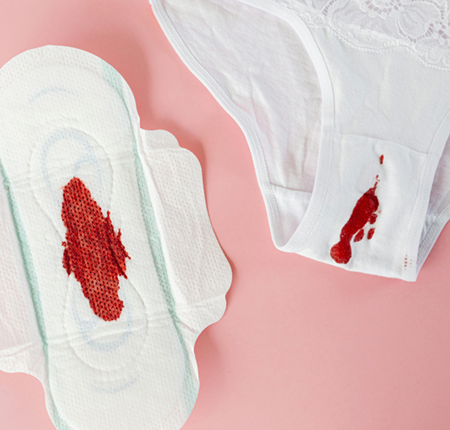
You can delay or control your period on vacation
The possibility is real. Your period can come right when you're on vacation and it can affect your plans. But what if… it were possible to postpone it until you get home? What if there was something you could do before your vacation so that it wouldn't come right then? Would you be curious what the options are?
Good news, delaying your period is possible. Below we tell you how, how safe, and how effective each type of method is.
Hormonal methods to delay menstruation on vacation
Continuous use of combined contraceptive pills, without a break, is probably the most well-known method of delaying menstruation. Basically, you continue taking the active pills and immediately start a new pack, without the usual 7-day break, which will result in the postponement or suppression of menstrual bleeding.
According to an article published in the National Library of Medicine , many women choose to delay their periods in this way for travel, vacations, sports competitions, or special events. Teen girls and athletes also frequently use these methods to have more control over their cycles during important times, such as camps or trips.
Does this mean that you can simply start taking birth control a few days before your vacation and delay your period even if you've never used hormonal contraceptives before? Absolutely not.
To work effectively, birth control pills generally need to be started or taken continuously long enough before departure for the body to adjust to the hormonal schedule. And the method should always be recommended and monitored by a doctor, depending on your health condition.
Not all women can take combined contraceptives, especially if there are risk factors such as a history of thrombosis or pulmonary embolism, or certain cardiovascular or liver diseases.
Natural remedies and myths
As an alternative to hormonal methods, you've probably heard of other natural solutions. Have you read that high doses of vitamin C can help? But have you heard about tamarind and pickles, that they could delay your period? Or maybe you've heard mentions of apple cider vinegar and other unexpected combinations on social media.
Are you wondering if you can trust these methods? Science doesn't advise you to do so.
Currently, there is not enough medical evidence that these methods can delay your period safely and effectively. And while some methods may be completely harmless, others may cause you digestive discomfort or unpleasant reactions.
In other words, it's okay to try gentle natural methods, as long as you maintain a dose of skepticism and set realistic expectations. What's not okay is trying extreme methods just to get rid of your period on vacation. There's a good chance they won't work anyway.
When to consult a doctor about menstruation on vacation
Always talk to your doctor early. Don't wait until there are only a few days left before you leave, because there may be nothing you can do.
Tell your doctor that you are going on vacation and that you are thinking about delaying your period. They can advise you on what options are safe and appropriate for you based on the regularity of your menstrual cycle or any side effects you have experienced in the past.
Likewise, contact your doctor immediately if, after starting hormone treatment, unusual symptoms such as severe pain or very heavy bleeding occur.
Menstruation and swimming
We are talking about a rather ambiguous area when we discuss the connection between menstruation and swimming.
On the one hand, many women question the hygiene and safety of swimming during this period, or worry that they will stain themselves, that the menstrual product will not protect them enough, and that blood will seep through the swimsuit.
On the other hand, studies and the experience of many women confirm that swimming, especially in cold water such as the sea or a pool, can have a relaxing effect on the body, reduce anxiety, and help relieve menstrual symptoms.
Is it safe to swim?
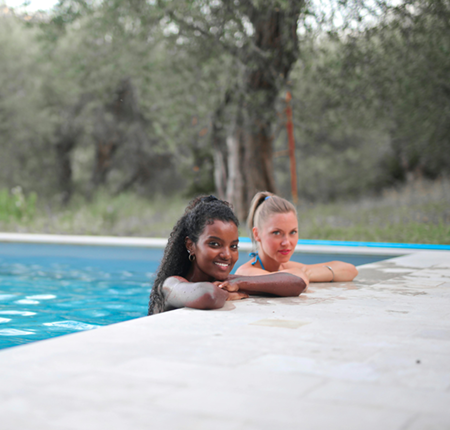
Yes, swimming during menstruation is safe and there are no medical contraindications to avoid it.
As for the safety of not getting dirty, that shouldn't be a major concern either. While the water pressure won't completely stop your period, it can temporarily reduce your flow while you're swimming, which reduces the risk of bleeding in the water. Plus, with the right menstrual product, you're protected afterward, too.
What menstrual products to use when swimming
For swimming, an internal tampon with an absorbency level that matches your flow is one of the best options. Because you insert it inside, it is invisible through your swimsuit and does not absorb water from the outside, so it continues to protect you effectively throughout your swim.
Other menstrual products , such as pads, although comfortable, are not suitable for wearing in water. Upon contact with water, they swell, come off easily, and can no longer protect you effectively.
Hygiene and risks of swimming during menstruation
As safe as swimming during menstruation is, the hygiene measures on which this safety is based are just as important.
Once you're out of the water, it's important to change your menstrual product and clothing as quickly as possible. Prolonged exposure to moisture, including sitting in a wet swimsuit, can increase the risk of discomfort and create an environment conducive to irritation and infection.
Intimate hygiene in summer
Hygiene measures remain just as important outside of swimming.
During the summer, the attention your intimate area needs increases even more than during the rest of the year due to heat, sweating, and more frequent exposure to moisture. You don't want these factors to favor the development of imbalances or infections, do you?
The hygiene measures you practice in this regard every day are important habits to prevent complications.
Frequent change of menstrual hygiene products
In the summer heat, moisture and bacterial growth in the intimate area are favored by high temperatures. So it is very important to change menstrual hygiene products more frequently and to make sure that the intimate area is not exposed to risk factors for a long time.
Try to change them about every 3-4 hours or even more often if your flow is heavy, if you've been swimming, or if you've been sweating a lot.
Sweating and the risk of infections in summer
Summer heat and sweating often inevitably create a humid environment in the intimate area. In a humid environment, the chances of an imbalance in the intimate flora increase, which can further leave you vulnerable to infections.
Vulnerability doesn't automatically mean you'll develop a condition, but it certainly reflects an increase in the sensitivity of the intimate area and an increased predisposition to irritation. Even more so if you wear tight clothes, made of materials that don't allow your skin to breathe.
Recommended summer products
In addition to breathable cotton underwear and organic, unscented pads or tampons that allow your skin to breathe and protect you without causing irritation, there are other products that can help you stay fresh during your period, even in the summer.
Intimate wipes are a practical and handy solution, perfect for a quick clean, especially on vacation or while traveling, until you reach your destination and have access to a bathroom where you can continue your care routine with an antibacterial intimate gel .
It is important to avoid products that may contain perfume with allergens, sulfates, and other aggressive ingredients that, although they temporarily cover sweat and unpleasant odor, do not pay as much attention to your intimate health.
What to pack for vacation
Need a quick checklist of what to pack for your vacation so you're prepared even for an unannounced period? Don't worry, I've written it all down below:
- Essential menstrual products: Bring exactly what you use, whether it's tampons, pads, or both, with the right absorbency levels, and make sure you have enough for all days of your period.
- Auxiliary products: don't forget your sanitary napkins at home for a quick refresh at any time, hand sanitizer, and a change of underwear, because accidents can happen and are not a tragedy.
- An emergency kit: It's much easier to deal with unforeseen situations when you organize your luggage properly. Prepare a mini-bag where you can discreetly store one of each essential product and keep it handy so you can find them immediately if you need them, without the risk of them scattering throughout your bag.
Tips for comfort during menstruation in the summer (on vacation)
Our dear, if you are going on vacation, we sincerely wish you the best of days. To relax and forget about your worries, especially about your period. Here are some tips that we hope will help you feel as comfortable as possible throughout your stay, even when your period comes with you on vacation.
Hydration and nutrition in summer
Hydration plays an important role in the summer, especially during menstruation, when the body can be more sensitive to high temperatures and water retention can affect you more. Try to consume enough fluids to stay hydrated and support the reduction of bloating.
We also know that both your period and the new foods you try on vacation can increase your chances of experiencing bloating. So we remind you that light foods like Greek yogurt, ginger, fruits, and leafy greens can help you keep this symptom under control and comfortable.
Choosing clothes during the summer
Instead of tight clothes, made of materials that make you sweat easily, try to wear loose clothes, made of natural materials such as cotton or linen, as much as possible, which help the skin breathe and reduce discomfort caused by heat.
It may also be a good idea to choose matching colors and relaxed cuts, as they can be more practical on active days, when you want to prevent possible accidents.
Summer activity and relaxation
When you get your period on vacation, it can be tempting to stay in bed and avoid exercise altogether. But remember that light activity, whether it's a walk on the beach or a few minutes of stretching, can help reduce cramps and improve your mood. And if everything seems too much for you, you can always slow down or take a break.
Myths about menstruation on vacation
Does everything I've told you so far, that you're allowed to swim on your period, that menstruation can feel different on vacation, contradict the beliefs you've lived with until now? And are you wondering why you believed otherwise until now? Part of the responsibility may lie with the myths that still circulate about menstruation during the summer. Below we explain the most commonly heard ones.
You are not allowed to swim.
False. As long as you use appropriate menstrual products, such as 100% organic tampons, swimming is safe both from a medical and stain protection point of view. There is no medical contraindication, on the contrary. Physical activity often supports relaxation and relieves discomfort.
Menstruation stops in water
This is only partially true. Yes, the water pressure can temporarily reduce your flow while swimming, but it doesn't completely stop your period. Shortly after you get out of the water, your flow returns to normal.
Summer completely changes the cycle
The impact of heat, temperature, and weather on your menstrual cycle is still being studied. But from the data currently available, while there are some associations between summer and the severity of menstrual symptoms, it's not really the season itself that influences your period.
Stress, changing routines or time zones, lack of sleep, and prolonged sun exposure are factors that can really influence your hormonal balance and how you feel during your period, and the changes are usually temporary.
Frequently asked questions about menstruation during the summer (on vacation)
When you think about going on vacation and your period might be coming, are there other things that worry you? Do you want to know how to avoid accidental leaks as much as possible? Or what are the best menstrual products for swimming? We are here for you. Below we have prepared answers to the most frequently asked questions about this topic.
Can I go to the sea or the pool?
Yes, you can safely go to the beach or pool during your period. As long as you use appropriate menstrual products, such as 100% organic tampons, you are safe. The important thing is to feel comfortable and change your product frequently, especially after swimming.
How do I avoid clothing accidents?
To start, choose a menstrual product with an absorbency level that suits your flow and don't forget to change it at least every 3-4 hours on hot days, or sooner if you feel the need, to prevent both accidental leaks and the risk of irritation. It can also be helpful to have darker clothes or spare underwear in your bag for extra safety.
What do I do if my period is late on vacation?
Whether it's due to stress (yes, even positive emotions like excitement about going on vacation), changing your habits, or fatigue, it's not uncommon for your period to be late. It's not necessarily a cause for concern. But talk to your doctor if the delays become frequent or persist for a long time.
Can I postpone my period for vacation?
Yes, you can delay your period using hormonal methods if you take the combined contraceptive pill continuously, without a break between packs. But you should discuss this option with your doctor beforehand, as it is not safe for all women and must be started early to be effective.
What products are best for swimming?
For swimming, 100% organic tampons are one of the most comfortable and convenient options. Inserted inside, they remain discreet under your swimsuit and do not absorb water, ensuring effective protection on a continuous basis. Absorbent pads are not recommended, as they soak up water and can no longer protect you effectively.
Photo sources: Pexels.com


and happily breaking taboos!


